
January 7, 2025
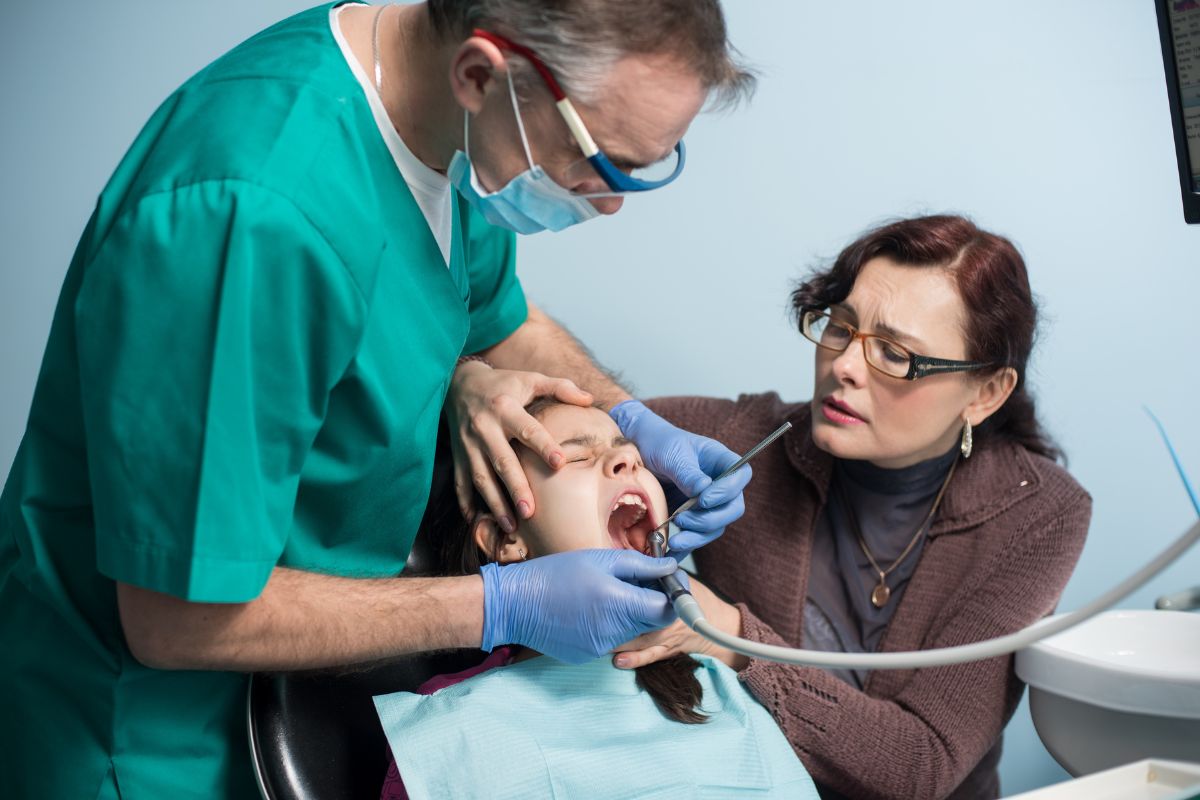
As a parent, your child’s well-being is always your top priority. But what happens when they experience a dental issue that leaves you unsure if it’s an emergency? Understanding how to identify and handle dental emergencies in children is crucial for their health and your peace of mind. Let’s explore what qualifies as a dental emergency and how to respond effectively.
What Constitutes a Dental Emergency in Children?
Not all dental issues require an immediate visit to the dentist. However, certain situations demand urgent attention to avoid long-term complications. A dental emergency is any condition causing significant pain, bleeding, or potential damage to a child’s teeth, gums, or jaw.
Examples include severe toothaches, knocked-out teeth, or swelling that may indicate an infection. If your child is experiencing any of these symptoms, seeking professional care from a pediatric dentist in Bentonville is essential.
Common Types of Dental Emergencies in Children
Here are four common dental emergencies and how to recognize them:
- Knocked-Out Teeth
Accidents during play or sports can lead to a tooth being knocked out. If it’s a baby tooth, contact your dentist to ensure the permanent tooth isn’t affected. For permanent teeth, place the tooth in milk and seek dental care right away. Acting quickly increases the likelihood of saving the tooth. - Chipped or Broken Teeth
A cracked or broken tooth can range from a minor inconvenience to a serious issue exposing the pulp. Larger fractures or bleeding require urgent attention from a pediatric dentist to prevent further damage. - Dental Abscess
An abscess is a painful infection in the tooth or gum, often accompanied by swelling, fever, and a bad taste in the mouth. This is a serious condition that requires immediate professional treatment to prevent the infection from spreading.
How to Handle Dental Emergencies in Children
When faced with a dental emergency, quick action can make a big difference. Here are four steps to follow:
- Stay Calm
Your calm demeanor can help reassure your child. Take a deep breath and focus on assessing the situation. - Examine the Area
Look for signs like swelling, bleeding, or visible damage to the tooth or gums. Understanding the severity of the issue will help you take appropriate action. - Provide Immediate Care
Apply pressure with a clean cloth to stop bleeding, and use a cold compress to reduce swelling. For toothaches, gently floss to check for trapped food. - Contact Your Dentist
Call your pediatric dentist as soon as possible to describe the situation and get guidance on what to do next. Many dental offices offer emergency services to address urgent needs.
Preventing Dental Emergencies in Children
Prevention is key to reducing the risk of dental emergencies. Here are three simple tips:
- Use Mouthguards
Ensure your child wears a custom-fitted mouthguard during sports or other high-risk activities. - Teach Good Oral Habits
Encourage your child to avoid chewing on hard objects like ice or pencils and practice proper brushing and flossing techniques. - Schedule Regular Dental Checkups
Routine visits to the dentist can catch potential problems early and keep your child’s teeth healthy.
When to Call a Pediatric Dentist
If your child experiences severe pain, bleeding that doesn’t stop, or signs of an infection, it’s time to call a pediatric dentist. Even if you’re unsure whether it’s an emergency, it’s better to err on the side of caution. Timely care can prevent further complications and help your child feel better faster. Dental emergencies in children can be alarming, but understanding how to recognize and respond to them makes all the difference. If your child faces a dental issue, don’t hesitate to seek help. Contact us to learn more or schedule an appointment with a trusted pediatric dentist who prioritizes your child’s oral health and comfort.