
July 3, 2025
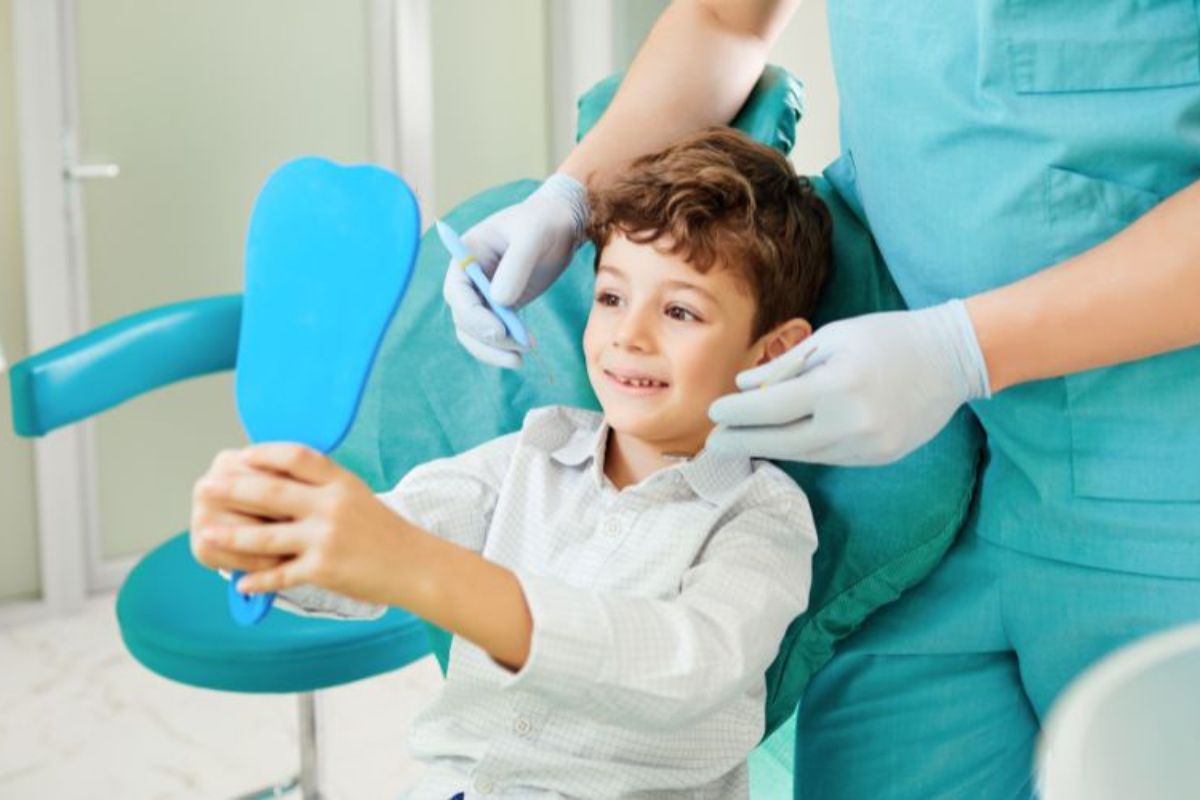
Cavities in children can turn a bright smile into a painful problem. As parents, keeping those tiny teeth healthy is a top priority. This guide offers practical, expert-backed tips to prevent cavities in kids. From daily habits to professional care, we’ll cover everything you need to know to protect your child’s dental health in a fun and engaging way.
Why Cavities Are a Big Deal for Kids
Cavities, or dental caries, occur when bacteria in the mouth produce acid that erodes tooth enamel. In kids, cavities can lead to pain, difficulty eating, and even speech issues. Early tooth decay can also affect permanent teeth developing beneath the gums. Preventing cavities early sets the foundation for a lifetime of healthy smiles.
Build a Strong Oral Hygiene Routine
Brush Twice a Day
Brushing is the cornerstone of cavity prevention. Use a soft-bristled toothbrush and fluoride toothpaste. For kids under 3, a rice-sized smear is enough; for older kids, use a pea-sized amount. Brush for two minutes, twice daily, covering all tooth surfaces. Make it fun with a colorful toothbrush or a timer with their favorite song.
Floss Early and Often
Flossing removes food and plaque between teeth where brushes can’t reach. Start flossing when your child’s teeth touch, usually around age 2 or 3. Use floss picks for easier handling. Teach kids to floss gently to avoid gum irritation. Make it a game—see who can floss the fastest without missing spots.
Consider Mouthwash for Older Kids
For children over 6, a kid-friendly, alcohol-free fluoride mouthwash can add extra protection. It reaches areas that brushing and flossing might miss. Always supervise to ensure they spit it out, not swallow. Check with your kids’ dentist in Bentonville, AZ, to find the best option for your child.
Watch Their Diet
Limit Sugary Snacks and Drinks
Sugar fuels cavity-causing bacteria. Cut back on candies, cookies, and sodas. Offer healthier snacks like fruits, vegetables, or cheese. If your child craves sweets, serve them with meals when saliva production is higher, helping to neutralize acids.
Encourage Water Over Juice
Juices and sugary drinks linger on teeth, promoting decay. Water is the best choice—it rinses away food particles and keeps mouths hydrated. If your child loves flavored drinks, opt for sugar-free versions or dilute juice with water.
Include Calcium-Rich Foods
Calcium strengthens enamel. Offer dairy like milk, yogurt, or cheese, or non-dairy options like fortified almond milk or leafy greens. These foods help repair early enamel damage and keep teeth strong.
Sealants: A Shield Against Cavities
Dental sealants are a game-changer for cavity prevention. These thin, protective coatings are applied to the chewing surfaces of back teeth, where cavities often form. Sealants act as a barrier, keeping food and bacteria out. They’re painless, quick to apply, and can last for years. If you are searching for “children’s dentist near me”, ask about sealants during your next visit—they’re a proven way to protect your child’s teeth.
Regular Dental Checkups
Routine dental visits catch problems early. Dentists can spot early signs of decay, apply fluoride treatments, and clean hard-to-reach areas. Kids should see a dentist every six months, starting from their first birthday. These visits also teach kids that dental care is a normal, positive part of life. Choose a dentist who makes the experience fun and stress-free.
Make Dental Care Fun
Kids are more likely to stick with habits they enjoy. Let them pick a toothbrush with their favorite character. Use apps or videos that teach brushing techniques. Reward good habits with praise or a small, non-sugary treat. Turn dental care into a family activity—brush together to show it’s important.
Address Common Challenges
Thumb-Sucking and Pacifiers
Prolonged thumb-sucking or pacifier use can misalign teeth, making them harder to clean and more prone to cavities. Gently wean kids off these habits by age 3. Offer comfort through other means, like a favorite toy or extra cuddle time.
Fear of the Dentist
Dental anxiety is common in kids. Choose a kid-friendly dentist skilled in working with children. Read books about dental visits or role-play at home to ease fears. Positive experiences early on build trust and make future visits easier.
Trending FAQs on Preventing Cavities in Kids
Here are answers to some of the most common questions parents ask about keeping their kids’ teeth cavity-free, based on popular Google searches:
- How can I tell if my child has a cavity?
Look for signs like tooth sensitivity, pain when chewing, or visible dark spots. A dentist can confirm with an exam or X-ray. - At what age should kids start brushing their teeth?
Start brushing as soon as the first tooth appears, usually around 6-12 months, using a soft brush and a tiny amount of fluoride toothpaste. - Are electric toothbrushes better for kids?
Electric toothbrushes can be effective, especially for kids who struggle with manual brushing. Choose one designed for children with a small head and soft bristles. - Can cavities in baby teeth affect permanent teeth?
Yes, untreated cavities in baby teeth can harm developing permanent teeth or cause infections that affect oral health. - How often should kids see a dentist?
Every six months is ideal for cleanings and checkups to catch issues early and reinforce good habits.
Teach Lifelong Habits
Preventing cavities is about building habits that last. Encourage kids to take charge of their oral health as they grow. Explain why brushing and flossing matter in simple terms. Lead by example—let them see you prioritize your dental care. These small steps create a foundation for healthy teeth into adulthood.
Protecting your child’s teeth from cavities is easier than you think. With consistent brushing, a balanced diet, regular dental visits, and a sprinkle of fun, you can keep their smile shining bright. Start these habits early, and you’ll give your child a healthy, confident smile for years to come. Take the first step today—schedule a dental checkup and make oral health a family adventure!