
August 27, 2025
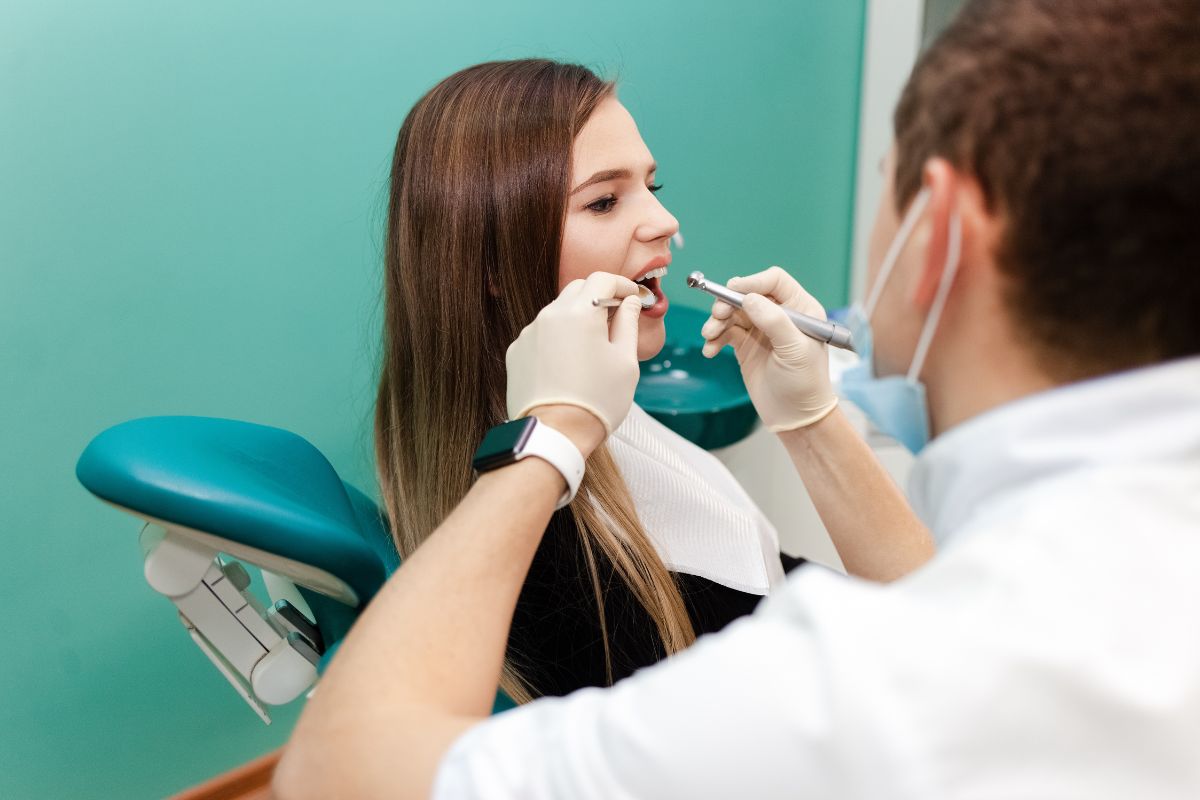
Have you ever wondered why your dentist collects a saliva sample during a routine visit? It’s not just about checking for dryness. Saliva holds clues to your overall health. This clear fluid does more than help you swallow. It acts as a window into hidden issues. In this post, we’ll explore how saliva analysis goes beyond surface-level plaque removal. You’ll learn actionable ways to use this knowledge for better wellness.
The Science Behind Saliva in Dental Health
Saliva is a powerhouse in your mouth. It contains water, enzymes, proteins, and minerals. These elements fight bacteria and protect teeth. But changes in saliva can signal problems early.
Dentists study saliva flow and composition. Low flow might mean dehydration or medication side effects. High acidity could lead to enamel erosion. Research shows saliva pH levels affect cavity risk. Keep it balanced with hydration and diet.
Saliva also carries cells from your body. This makes it a tool for spotting inflammation. Experts use it to track oral microbiome health. A balanced microbiome prevents infections.
What Saliva Tests Can Detect
Modern dental tools analyze saliva quickly. These tests reveal risks before symptoms appear. They check for specific markers linked to diseases.
Oral Health Issues
Saliva can show gum disease risks. High bacteria levels like Porphyromonas gingivalis, indicate periodontitis. Early detection stops bone loss.
Cavity-causing agents appear in saliva, too. Streptococcus mutans thrives in sugary environments. Tests measure these to guide prevention.
Oral cancer markers are detectable. Proteins like IL-8 rise in suspicious cases. Regular screenings catch this early.
Systemic Health Clues
Saliva links to body-wide conditions. Diabetes affects saliva glucose levels. Elevated amounts hint at blood sugar issues.
Heart disease is tied to oral bacteria. Saliva tests spot inflammation markers like C-reactive protein. This connects mouth health to cardiovascular risks.
Hormonal changes show up, too. Stress hormones like cortisol appear in saliva. This helps dentists spot anxiety-related grinding.
Viral infections leave traces. HIV antibodies can be found in saliva samples. It’s a non-invasive way to screen.
How Dental Professionals Use Saliva Analysis
During visits, dentists collect saliva with simple swabs. Labs process it for detailed reports. Results guide personalized plans.
For example, if tests show high acidity, rinse with baking soda solutions. This neutralizes pH at home.
In Bentonville’s vibrant community, many seek comprehensive dental exams and cleanings in Bentonville, AR. These include saliva checks for thorough care.
Professionals interpret results with experience. They combine them with X-rays and exams. This builds a full health picture.
Actionable tip: Ask about saliva testing at your next visit. It adds layers to standard checkups.
Trending FAQs on Saliva in Dental Exams
People often search for answers on this topic. Here are common questions based on frequent Google queries, with clear responses.
- What diseases can be detected through saliva? Saliva tests can identify oral issues like gum disease and cavities. They also reveal systemic clues for diabetes, heart conditions, and infections such as HIV.
- How accurate are salivary diagnostic tests? These tests are reliable for many markers, with studies showing over 90% accuracy for certain bacteria. However, they complement other exams, not replace them.
- Can saliva testing detect oral cancer? Yes, it spots biomarkers like specific proteins. Early detection improves outcomes, but biopsies confirm diagnoses.
- What does abnormal saliva indicate? Thick or foamy saliva might signal dehydration or infections. Dry mouth could point to medications or autoimmune disorders.
- Is saliva testing painless? Absolutely, it’s non-invasive. Just a quick swab or rinse provides the sample.
Statistics on Saliva Diagnostics
Saliva analysis is gaining traction. Here’s a table with key stats from recent studies.
| Condition Detected | Prevalence in Adults (%) | Detection Rate via Saliva (%) |
|---|---|---|
| Periodontal Disease | 47 | 85 |
| Dental Caries Risk | 92 (lifetime) | 90 |
| Diabetes Markers | 8.5 | 75 |
| Oral Cancer Biomarkers | 0.1 | 80 |
| Bacterial Imbalance | 60 | 95 |
These numbers highlight saliva’s role in early intervention. Sources include ADA reports and health studies.
Benefits of Regular Saliva Checks
Routine analysis empowers you. It spots trends over time. Track changes to adjust habits.
For families, this means proactive care. Kids’ saliva shows cavity risks early. Adults benefit from systemic alerts.
In a welcoming setting, our family dentist in Bentonville, AR, focuses on all ages. They use saliva insights for tailored advice.
Stay ahead with hydration and balanced meals. Chew sugar-free gum to boost flow. These steps enhance saliva’s protective power.
If you are searching for a family dentist in Bentonville, AR, consider one who incorporates advanced tools like saliva testing. It ensures comprehensive evaluations.
Saliva is more than a byproduct of your mouth—it’s a storyteller of health. By understanding its signals, you take control of wellness. Schedule your next appointment today at (479) 271-9900. Your smile—and body—will thank you.