
March 6, 2026
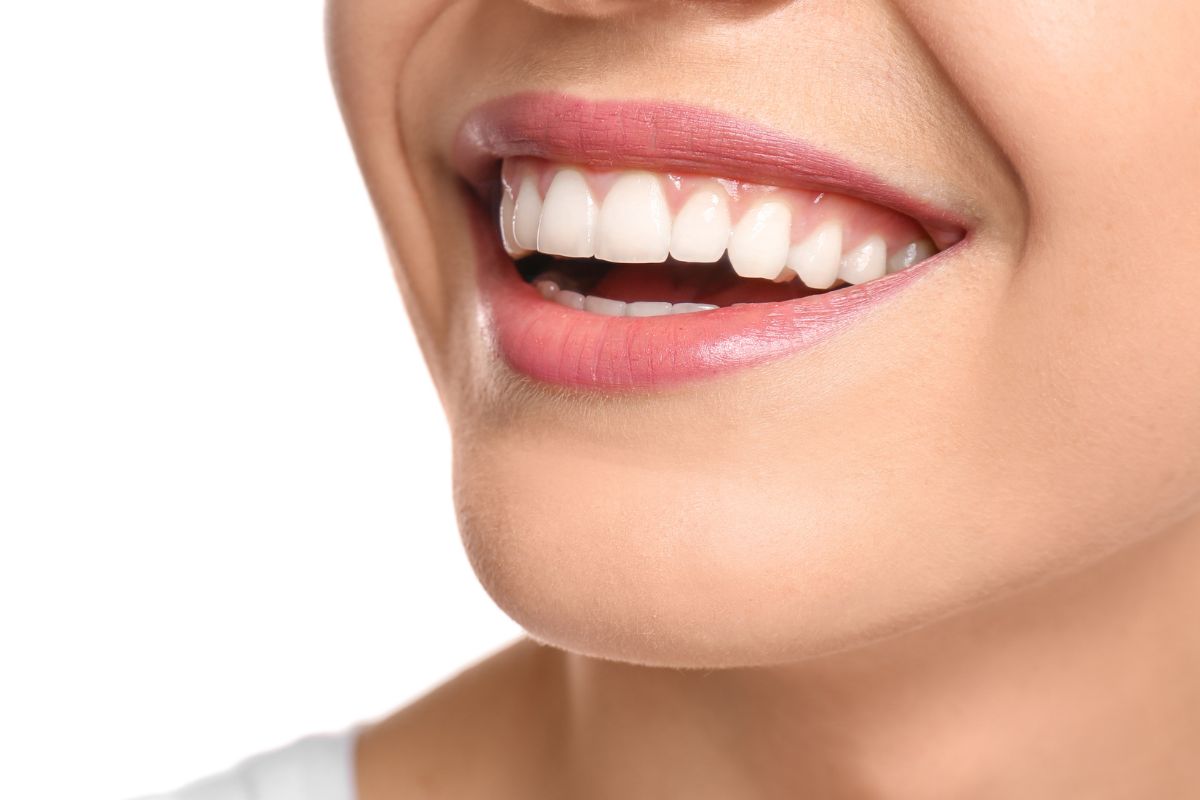
Many people dream of a brighter smile but pause when they hear stories about pain afterward. They wonder if whitening treatments hide serious risks like infections. The short answer brings relief: teeth whitening does not cause tooth infections. It can spark temporary sensitivity, though. This common reaction often fades quickly with simple care. Knowing the real science behind it puts worries to rest and helps you move forward confidently.
Teeth whitening uses peroxide-based gels to lift stains from enamel. These agents open tiny tubes in your teeth. The process reaches the dentin layer underneath. Nerves there react for a short time. Most people feel mild zings rather than serious trouble. Professional treatments control the strength and timing better than store options. They cut down on unwanted effects.
Why Sensitivity Feels Intense
Bleaching agents stir up fluid movement inside teeth. This mild pulp irritation creates that familiar tingle. Hot, cold, or sweet items trigger it most. Studies show sensitivity hits over half of users. It stays mild to moderate in most cases. The feeling peaks in the first day and eases within 24 to 72 hours. Some notice it up to a week. Proper prep and aftercare make a big difference.
Enamel strength plays a key role too. Thin enamel or tiny cracks let agents go deeper. Existing gum recession adds to the reaction. Yet these issues stem from your teeth’s baseline health, not the whitening itself. A quick check before treatment spots them early.
When Pain Signals Something Else
True infections bring different clues. Swelling, pus, or fever point to bacteria at work. Whitening never introduces infection on its own. It might highlight hidden problems, like untreated decay. If discomfort grows instead of shrinking, stop and evaluate. Sharp pains that throb without triggers deserve attention fast.
Practical Steps to Ease Discomfort
Switch to desensitizing toothpaste right away. It blocks nerve signals gently. Skip acidic drinks and extreme temperatures for a few days. Soft brushes protect gums too. Over-the-counter pain relief helps in the first hours if needed. These habits speed recovery and keep your routine smooth.
Many locals explore brightening options and ask the same questions. A skilled dentist in Bentonville, AR reviews your teeth first. They spot risks and guide safe choices. This step ensures whitening fits your smile goals without surprises.
Comparison of Symptoms
| Symptom | Temporary Sensitivity | Possible Infection |
|---|---|---|
| Pain type | Sharp zings to cold or air | Throbbing tooth pain that lingers |
| Duration | 1–3 days, up to 1 week | Days or longer without relief |
| Other signs | None | Swelling, bad taste, pus |
| Triggers | Hot, cold, sweet | Constant, even at rest |
This quick table helps you tell the difference at home. Use it as a guide, but trust a professional for confirmation.
Trending FAQs
Here are the top questions people search about teeth whitening in Bentonville and pain, with clear answers:
- Does teeth whitening hurt? Most feel only mild sensitivity, not true pain. It passes quickly for the majority.
- How long does sensitivity last after whitening? Usually 24 to 72 hours. Rare cases stretch to one week before fading.
- Can teeth whitening cause permanent nerve damage? No. Temporary irritation happens, but nerves recover fully in healthy teeth.
- What helps with pain right after treatment? Desensitizing toothpaste and avoiding extremes work best. Rest helps too.
- Is professional whitening safer than at-home kits? Yes. Experts adjust strength and protect gums, lowering risks.
- When should I see a dentist about the discomfort? If pain lasts beyond a week or worsens, get checked promptly.
These answers cover what most wonder about. They show whitening stays safe when handled right.
Knowledge like this builds confidence in your choices. Whitening brightens smiles without sparking infections. Temporary sensitivity is the real hurdle, and it passes. Watch your symptoms closely and act early if anything feels off. Your oral health stays strong with smart steps.
Reach out to a local expert to schedule an appointment.