
May 27, 2026
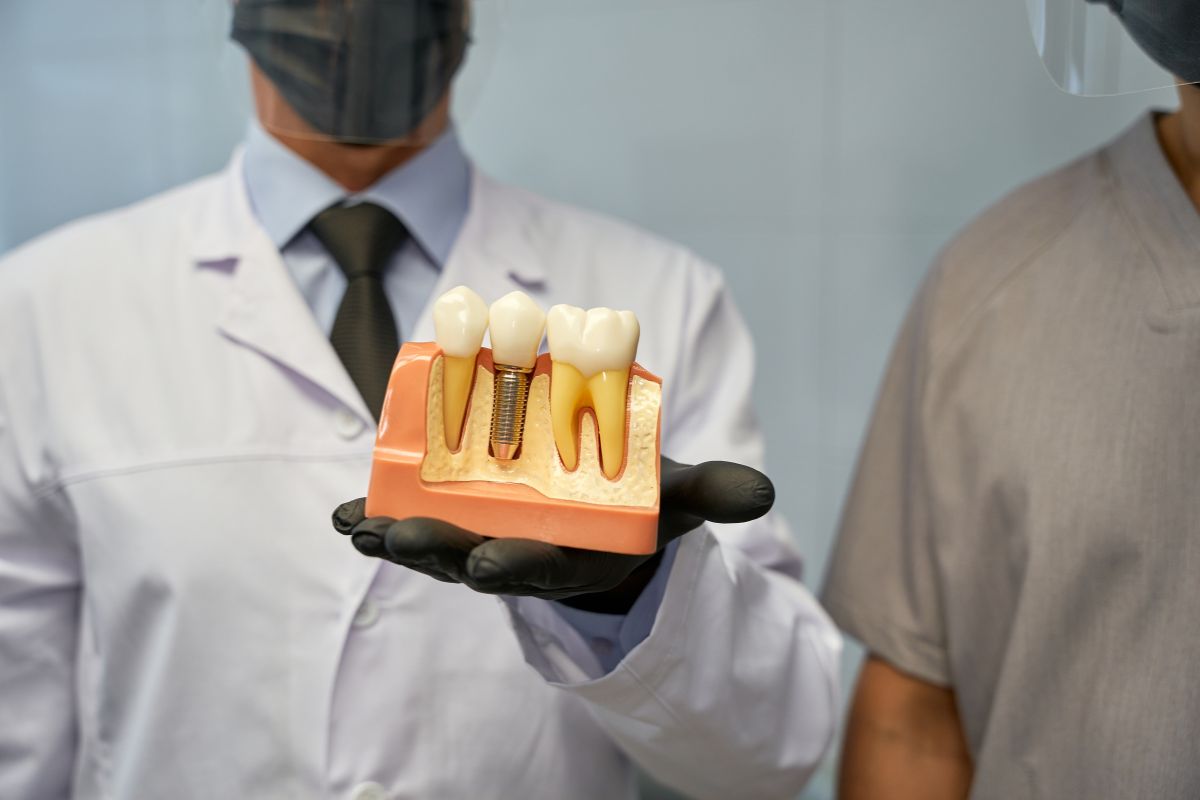
Parents often ask whether a teenager who has lost a permanent tooth can receive a dental implant right away. It is a reasonable question, especially when appearance, speech, and confidence are affected by a missing tooth. Dental implants are widely recognized as one of the most reliable tooth replacement options available today. However, timing plays a critical role in long-term success. The key factor is not necessarily age but whether jaw growth has fully completed. Understanding when a teenager becomes a suitable candidate can help families make informed decisions and achieve lasting oral health outcomes.
Why Jaw Growth Matters Before Dental Implant Placement
Dental implants function differently from natural teeth. While natural teeth can adapt slightly as the jaw develops, an implant becomes permanently fused to the bone through a process known as osseointegration. Once integrated, the implant remains fixed in position.
If an implant is placed before the jaw has stopped growing, surrounding teeth and bone structures may continue to shift while the implant remains stationary. This can create alignment issues, bite concerns, and cosmetic complications over time. For this reason, dental professionals carefully evaluate skeletal development before recommending implant treatment for teenagers.
When Does Jaw Growth Usually Finish?
Jaw growth varies from person to person. In general:
| Patient Group | Typical Jaw Growth Completion |
|---|---|
| Females | Around 15-17 years old |
| Males | Around 17-21 years old |
| Individual Variations | May occur earlier or later |
Because growth patterns differ, age alone cannot determine readiness for implant placement. Comprehensive diagnostic imaging and growth assessments are often necessary.
How Dentists Determine Whether Jaw Growth Is Complete
Several tools help evaluate whether a teenager is ready for a permanent implant. These assessments may include:
- Digital X-rays
- Cone Beam CT scans
- Growth comparison records
- Facial development analysis
- Bite evaluation
By reviewing these findings, dental professionals can determine if the jawbone has stabilized enough to support a permanent restoration.
Many patients considering our dental implant procedure in Bentonville are surprised to learn how much planning goes into ensuring long-term implant success. Proper timing significantly improves both function and aesthetics.
Signs a Teenager May Be a Candidate for Dental Implants
Not every teenager will qualify immediately. However, several indicators suggest that implant placement may be appropriate.
Stable Jaw Development
The most important requirement is completed skeletal growth. Growth monitoring helps confirm this milestone.
Good Oral Health
Healthy gums and adequate bone density provide the foundation necessary for successful implant integration.
Commitment to Oral Hygiene
Implants require excellent daily care. Teenagers should demonstrate responsible brushing, flossing, and routine dental visits.
Non-Smoking Lifestyle
Tobacco use can negatively affect healing and implant success. Young patients should maintain healthy habits to support optimal outcomes.
What Happens If a Tooth Is Lost Before Growth Is Complete?
Losing a permanent tooth during adolescence can be emotionally challenging. Fortunately, several temporary solutions can help maintain appearance and function until implant treatment becomes appropriate.
Temporary Tooth Replacement Options
Dental professionals may recommend:
- Removable partial dentures
- Resin-bonded bridges
- Orthodontic space maintenance
- Temporary prosthetic solutions
These options preserve space for future treatment while allowing normal eating, speaking, and smiling.
Benefits of Waiting Until the Right Time
While some families may wish to move forward immediately, waiting until jaw growth is complete offers important advantages.
Better Long-Term Stability
A mature jaw provides a more predictable foundation for implant placement.
Improved Cosmetic Results
Proper timing helps ensure that the implant aligns naturally with neighboring teeth.
Reduced Risk of Future Adjustments
Premature placement may require additional procedures later. Waiting often minimizes complications and supports lasting results.
Are Dental Implants Safe for Older Teenagers?
When jaw development is complete and oral health conditions are favorable, dental implants can be a highly successful treatment option for older teenagers.
Research consistently shows excellent long-term outcomes when implants are placed after skeletal maturity. Success rates remain high when patients follow proper maintenance routines and attend regular dental checkups.
For families evaluating tooth replacement options, consultation with experienced professionals such as Dr. Bryan and Dr. Curtis can provide valuable guidance regarding treatment timing and candidacy.
Questions Parents Frequently Ask About Teen Dental Implants
Parents often search online for answers before scheduling a consultation. Here are some of the most common questions currently being asked:
Trending FAQs
- Can a 16-year-old get a dental implant?
Possibly. Eligibility depends more on completed jaw growth than chronological age. - How do dentists know if jaw growth has stopped?
Imaging studies, growth records, and clinical evaluations help determine skeletal maturity. - Can implants move as the jaw grows?
No. Implants remain fixed in place, which is why growth completion is essential before placement. - What happens if an implant is placed too early?
Future jaw development may create alignment issues, bite problems, and aesthetic concerns. - Is a dental implant better than a bridge for a teenager?
Once growth is complete, implants often provide excellent long-term benefits because they help preserve bone and do not rely on neighboring teeth for support. - Can missing teeth affect confidence in teenagers?
Yes. Missing teeth can impact appearance, speech, and self-esteem, making timely treatment planning important.
The Importance of Personalized Treatment Planning
Every teenager develops at a different pace. What works for one patient may not be appropriate for another. A customized evaluation allows dental professionals to assess bone health, growth status, bite function, and future oral health goals before recommending treatment.
If you are searching for a dentist near Bentonville, it is important to choose a provider who understands growth-related considerations and follows evidence-based implant protocols. A thorough assessment helps ensure that treatment decisions support both immediate needs and long-term success.
Creating a Long-Term Plan for a Healthy Smile
Dental implant treatment is not simply about replacing a missing tooth. It is about preserving oral health, maintaining facial structure, and supporting confidence for years to come. The best outcomes occur when treatment is performed at the appropriate stage of development and guided by careful diagnostic planning. If your teenager has experienced tooth loss and you have questions about future implant eligibility, contact us to schedule a comprehensive evaluation and learn about the most suitable options for their unique situation.
A permanent dental implant can be an excellent solution for teenagers who have completed jaw growth. While waiting may require temporary treatment options, proper timing protects both function and appearance. By working closely with an experienced dental team and following a personalized treatment plan, families can make confident decisions that support a healthy, attractive smile for the future.