
February 13, 2026
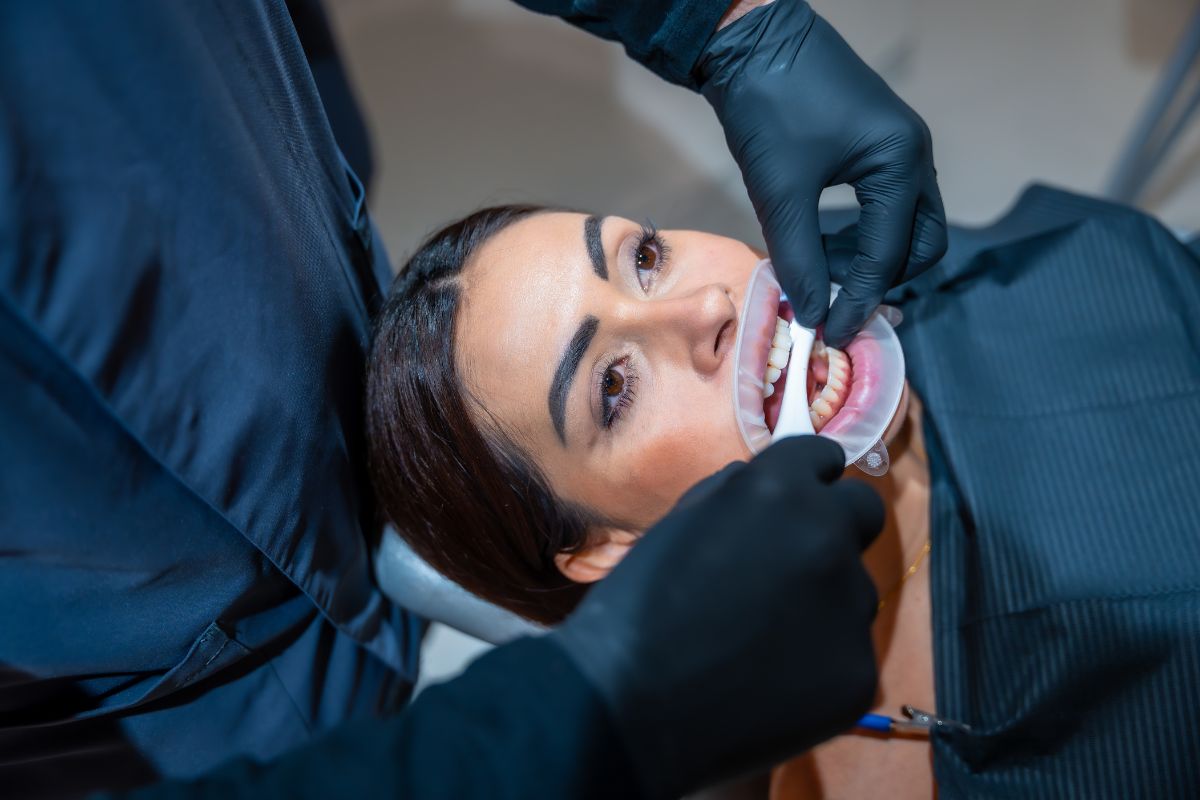
Have you ever wondered about that reminder card from your dentist’s office? It pops up twice a year, urging a visit for a cleaning. This routine might seem like habit, but it stems from solid reasons tied to how our mouths work. Let’s dive into the details and see why this schedule keeps smiles strong.
The Origins of the Six-Month Guideline
Dentists didn’t pick six months randomly. It traces back to how plaque forms and hardens into tartar. Plaque, that sticky film of bacteria, builds daily despite brushing. Over time, it calcifies into tartar, which only pros can remove. This process often takes about three to six months in average adults.
Research shows this interval allows early intervention. Studies indicate that waiting longer raises risks for decay and inflammation. Yet, it’s not rigid. For low-risk folks, some evidence suggests intervals up to two years might suffice without harm. Still, most experts stick to six months as a safe baseline for prevention.
Think of it as routine maintenance. Just like changing car oil prevents breakdowns, these visits stop small issues from escalating. They include scaling to clear buildup and polishing for smoother surfaces.
Key Benefits of Routine Professional Cleanings
Regular cleanings go beyond fresh breath. They tackle hidden threats that home care misses. Plaque under gums can lead to gingivitis, an early stage of gum disease. Pro cleanings remove it, reducing inflammation risks.
Early detection stands out as a major perk. Dentists spot tiny cavities or cracks during exams. Addressing them promptly avoids root canals or extractions later. Plus, screenings check for oral cancer signs, which are easier to treat when caught soon.
Oral health links to body-wide wellness too. Poor mouth hygiene connects to heart issues, diabetes complications, and even stroke risks. Cleanings help by lowering bacterial loads that might enter the bloodstream.
In Bentonville, where active lifestyles mean more snacking on the go, these visits adapt to local needs. Busy schedules can lead to overlooked brushing, making pro help vital. For those exploring options, if you are searching for a dentist near you, consider how proximity eases consistent care.
How Cleanings Prevent Long-Term Problems
Tartar buildup irritates gums, causing recession over time. Six-month cleanings disrupt this cycle. They use tools like ultrasonic scalers to gently remove deposits without damaging enamel.
For smokers or those with dry mouth, risks amp up. Bacteria thrive in such conditions, speeding decay. Regular visits allow tailored advice, like fluoride treatments to strengthen teeth.
Kids benefit hugely too. Early habits form during these appointments. Dentists teach proper flossing, curbing future issues. Adults see gains in aesthetics—cleanings reduce stains from coffee or wine.
Stats highlight the impact. Here’s a quick table on regular cleanings’ benefits:
| Benefit | Statistic | Source |
|---|---|---|
| Cavity Reduction | Up to 50% lower risk with bi-annual visits | CDC Data |
| Gum Disease Prevention | 80% fewer cases in routine attendees | ADA Studies |
| Overall Health Savings | $8-50 saved per dollar on preventive care | Recent Estimates |
| Adult Visit Rates | 65.5% had a cleaning in the past year | 2023 Surveys |
These numbers show clear value. Sticking to the schedule pays off in healthier outcomes.
What Happens During a Typical Cleaning Session
A standard cleaning starts with an exam. The hygienist checks for pockets around gums, measuring depth to gauge health. Deeper pockets signal potential disease.
Next comes scaling. Tools scrape off tartar above and below the gum line. It’s thorough but comfortable for most. Polishing follows, using a gritty paste to buff away surface stains.
Fluoride application often wraps it up. This mineral boosts enamel strength against acids. The whole process takes 30 to 60 minutes, leaving you refreshed.
If anxiety hits, many offices offer sedation options. Communicate needs upfront for a smooth experience.
Addressing Common Concerns About Frequency
Some question if six months is too often. Evidence varies, but for high-risk groups—like diabetics or those with past gum issues—it’s ideal. Others with stellar home care might stretch to nine months, but consult your pro first.
What if you skip? Risks include unchecked decay leading to pain or loss. Gums might bleed more, signaling advancing problems. Consistency beats regret.
In areas with fluoridated water, like much of Arkansas, benefits compound. Yet, personal factors matter. Age, diet, and meds influence needs. Your dentist assesses these during visits.
For locals seeking comprehensive care, dental exams in Bentonville, AR fit seamlessly into preventive routines. They combine cleanings with full checkups for holistic oversight.
Trending FAQs on Six-Month Dental Cleanings
Based on common searches, here are key questions people ask:
- How often should I get a professional dental cleaning? Most dentists suggest every six months, but it depends on individual risk factors like oral hygiene and health conditions.
- Is it necessary to get teeth cleaned every six months? Yes for most, as it prevents buildup and detects issues early, though low-risk individuals might go longer with approval.
- What are the benefits of dental cleanings every six months? They remove plaque, prevent gum disease, catch cavities early, and support overall health by reducing inflammation risks.
- What happens if I don’t get cleanings every six months? Plaque hardens into tartar, increasing chances of decay, gum issues, and even links to heart problems over time.
- What’s involved in a six-month dental cleaning? It includes an exam, scaling to remove tartar, polishing, and often fluoride treatment for protection.
These answers stem from expert insights and address real worries.
Making the Most of Your Dental Routine
Boost home care between visits. Brush twice daily with fluoride toothpaste. Floss nightly to hit spots brushes miss. Use mouthwash for extra germ control.
Diet plays a role. Limit sugars that feed bacteria. Crunchy veggies naturally clean teeth. Stay hydrated to rinse away debris.
Track symptoms like sensitivity or bleeding. Report them promptly. This proactive approach enhances the six-month benefits.
Prioritizing these habits builds lasting health. It’s empowering to know small steps yield big results.
Staying on top of cleanings protects your smile and well-being. If it’s time for yours, schedule an appointment today! Your future self will thank you.