
January 29, 2026
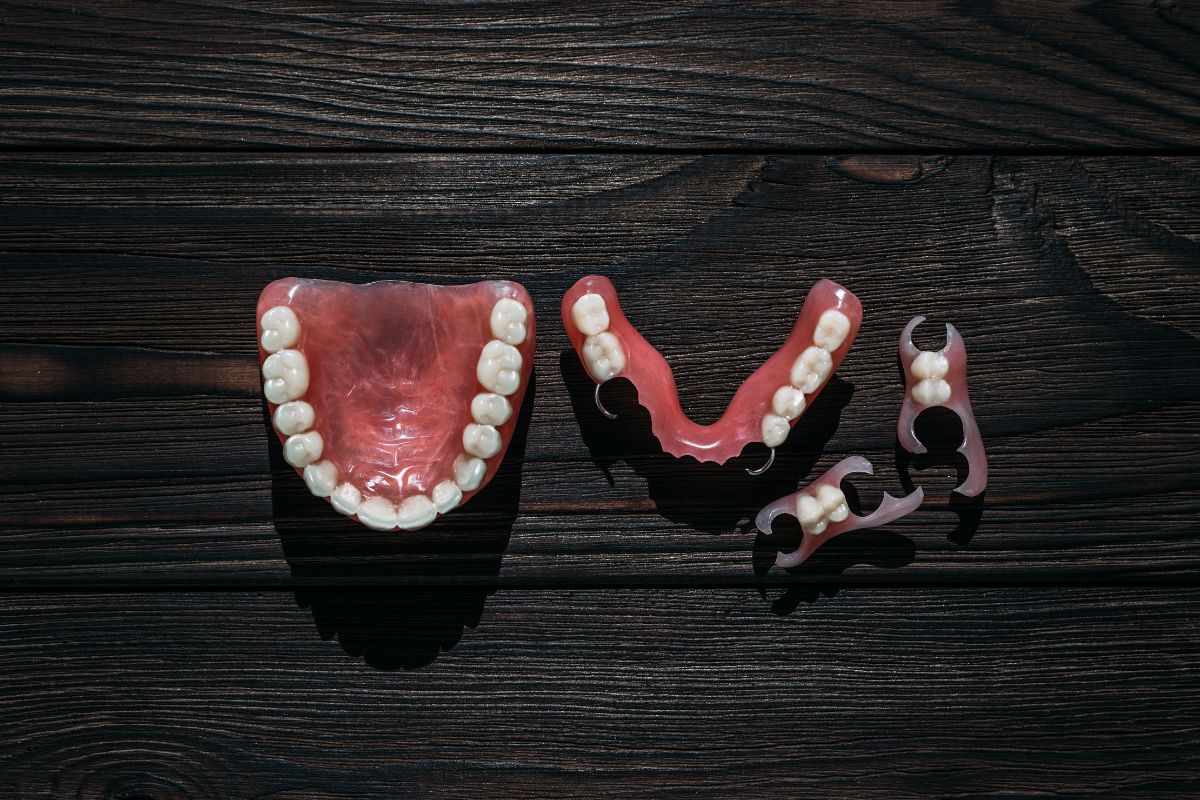
As we age, our smiles can change. Many older adults face the challenge of losing teeth. This affects eating, speaking, and confidence. But options exist to restore that vibrant smile. Dentures stand out as a popular choice. They help regain normal life functions. In this post, we’ll explore if they’re right for you. We’ll cover benefits, types, and care. Plus, we’ll address your concerns. Let’s dive in.
Understanding Tooth Loss in Seniors
Tooth loss is common among older adults. It often stems from gum disease or decay. Injuries or health issues play a role too. Without teeth, daily tasks become hard. Chewing food turns tough. Speech may slur. Faces can sag over time.
Research shows clear patterns. Seniors over 65 average 20.7 remaining teeth. Yet, 17.3% have none left. Women and smokers face higher risks. Lower income groups see more cases. These stats highlight the need for solutions.
Here’s a quick table on key stats:
| Statistic | Value |
|---|---|
| Average remaining teeth in seniors 65+ | 20.7 |
| Percentage with no remaining teeth | 17.3% |
| Higher risk groups | Women, smokers, low-income |
| Denture usage rate | 35.1% |
| Mortality benefit with dentures | Lower all-cause death risk |
These numbers come from health surveys. They show tooth loss impacts life quality. But dentures can help. They fill gaps and support health.
Benefits of Dentures for Seniors
Dentures restore more than teeth. They bring back ease in eating. You can enjoy favorite foods again. Speech improves too. No more mumbling or lisping.
Confidence soars with a full smile. Faces look younger. Jawbones stay supported. This prevents sinking cheeks. Overall health benefits follow. Better nutrition from varied diets. Less strain on remaining teeth.
For those with multiple losses, dentures fit well. They’re non-invasive. No surgery needed like implants. Adjustments are simple. Many seniors prefer this. Caregivers find them easy to handle. Especially for those with memory issues.
Studies link dentures to longer life. Users show lower death risks from heart or lung issues. They eat better and stay active. It’s a smart choice for vitality.
Types of Dentures Available
Dentures come in various forms. Full dentures replace all teeth in one jaw. They’re ideal for total loss. Partial dentures fill specific gaps. They clip to natural teeth.
Implant-supported ones add stability. They snap onto posts in the jaw. This reduces slipping. Conventional dentures wait for gums to heal. Immediate ones fit right after extractions.
Each type suits different needs. Partial ones prevent shifting teeth. Full ones rebuild entire arches. Consult a pro to pick the best. Factors like bone health matter.
In areas like Northwest Arkansas, options abound. Local practices offer custom fits. They use modern materials for comfort.
The Process of Getting Dentures
Getting dentures starts with a check-up. Your dentist examines your mouth. They take impressions. This creates a model.
Next, they craft a trial set. You try it on. Adjustments ensure fit. Final dentures get made. This takes a few visits.
Healing time varies. Gums adapt over weeks. Follow-ups tweak as needed. It’s straightforward. Most seniors handle it well.
If you’re in the region, seeking dentures in Bentonville, AR, provides access to skilled care. Pros there guide you through each step.
Care and Maintenance of Dentures
Proper care keeps dentures lasting. Rinse after meals. Brush daily with soft tools. Use mild cleaners.
Soak overnight in the solution. This keeps its shape. Avoid hot water. It warps them. Handle gently to prevent breaks.
See your dentist yearly. They check the fit. Relines fix looseness. Good habits prevent sores. Clean gums too. This avoids infections.
Seniors with arthritis may need help. But routines are simple. Consistent care means comfort.
Addressing Common Concerns
Many worry about comfort. New dentures feel odd at first. But they adjust. Slipping happens sometimes. Adhesives help.
Eating starts soft. Cut food into small pieces. Practice speaking aloud. It smooths issues.
Bone loss is a concern. Dentures don’t stop it fully. But they have slow effects. Regular checks catch problems early.
Some fear looks. Modern dentures appear natural. They match your features. No one notices.
Health conditions matter. Diabetes affects healing. Discuss with your dentist. They tailor plans.
Dentures boost independence. You eat freely. Smile widely. Concerns fade with time.
Trending FAQs on Dentures for Seniors
Here are some trending FAQs based on common Google searches. We’ve answered them clearly.
- What are the different types of dentures for seniors? Full dentures replace all teeth. Partial ones fill gaps. Implant-supported add security.
- How do I clean and care for my dentures? Rinse after eating. Brush daily. Soak overnight. Visit your dentist for checks.
- Can I sleep with my dentures in? No. Remove them at night. This rests gums and prevents issues.
- Will dentures affect my eating or speaking? At first, yes. Practice helps. Soon, you’ll eat and speak normally.
- How long do dentures typically last? About 5-10 years. Relines extend use. Replace when worn.
- Are dentures comfortable for daily wear? Yes, after adjustment. Modern designs feel natural.
These cover top queries. They ease worries.
Dentures offer real value for seniors. They restore function and joy. If you are searching for a reliable dentist near Bentonville, AR, local experts can assess your needs. They’ll provide personalized advice.
In the end, dentures empower older adults. They let you live fully. Embrace the change. A brighter smile awaits. Your journey to better oral health starts now