
December 26, 2025
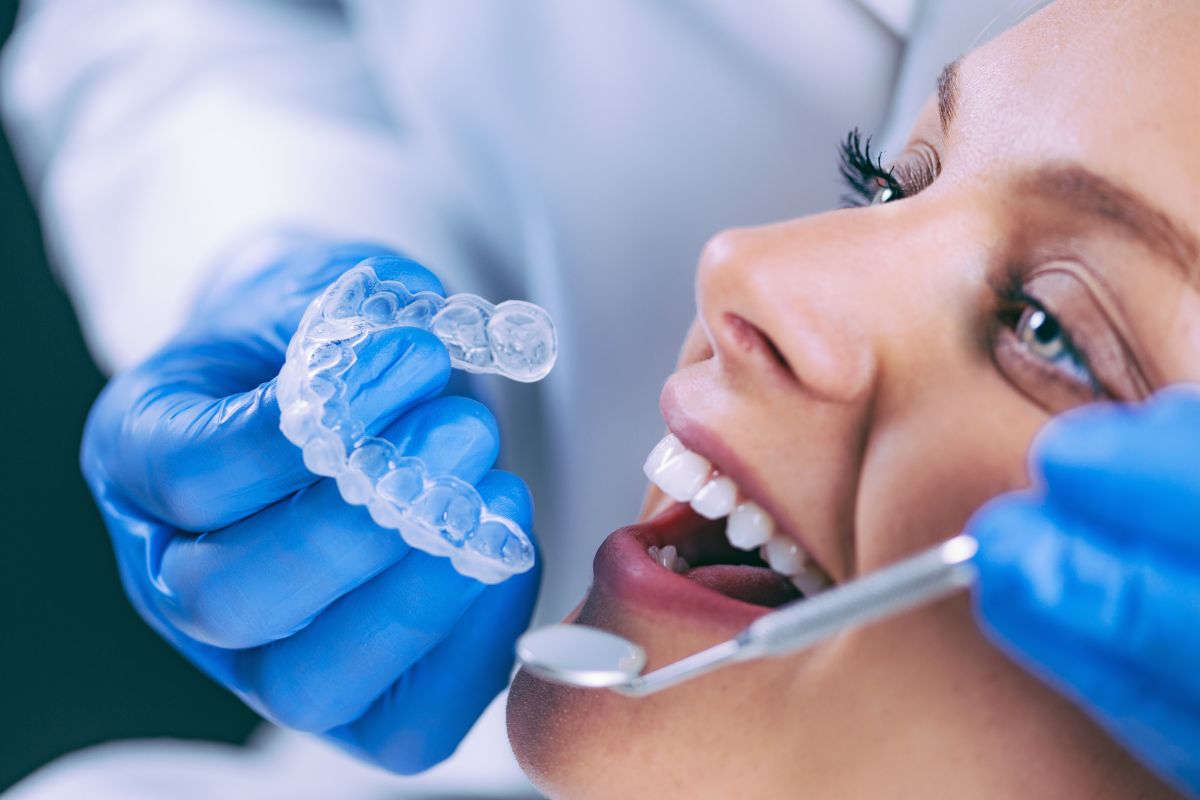
Have you ever looked in the mirror and wished for a straighter smile, but worried your past dental procedures might stand in the way? Many adults face this dilemma. Old fillings, crowns, or bridges can make you question if modern straightening options are still possible. The good news is that advancements in orthodontics have opened doors for more people than ever. Let’s explore what it means to pursue a aligned smile despite previous work on your teeth.
What Is Invisalign and How Does It Work?
Invisalign uses clear, removable aligners to shift teeth gradually. These custom trays fit snugly over your teeth. You switch them every one to two weeks. Each set applies gentle pressure to move teeth into better positions. Treatment often lasts 12 to 18 months. It’s discreet and comfortable for daily life. No metal wires or brackets involved. Regular check-ups ensure progress stays on track.
This system relies on precise planning. Dentists use digital scans to map your treatment. Aligners target specific movements like closing gaps or fixing rotations. It’s ideal for mild to moderate issues. Compliance is key—wear them 20 to 22 hours daily. Remove them for eating and brushing. This flexibility appeals to busy adults.
Understanding Old Dental Work
Old dental work includes restorations like fillings, crowns, bridges, veneers, and implants. These fix damage from decay, injury, or wear. Fillings seal cavities. Crowns cap weakened teeth. Bridges replace missing ones. Veneers improve appearance. Implants anchor artificial teeth.
Over time, these can affect tooth movement. Some restorations move with natural teeth. Others, like implants, stay fixed. Condition matters too. Secure, healthy work supports orthodontic changes. Loose or damaged ones may need attention first. Knowing your dental history helps assess options.
Compatibility of Invisalign with Various Dental Restorations
Invisalign aligners often work well with existing restorations. It adapts to many scenarios. Let’s break it down.
Crowns and Invisalign
Crowns are common in adults. They cover entire teeth. Invisalign can move crowned teeth if the crown is stable. The aligner grips the crown surface. Success depends on the crown’s material and fit. Porcelain or ceramic ones respond like natural teeth. Dentists check for issues beforehand.
Bridges and Invisalign
Bridges connect multiple teeth. They span gaps. Invisalign may adjust around them. If the bridge is small, treatment can proceed. Larger ones limit movement. Plans often focus on surrounding teeth. It’s possible, but requires careful evaluation.
Veneers and Invisalign
Veneers are thin shells on front teeth. They enhance looks. Invisalign aligners fit over them. Movement is feasible if the veneers are bonded well. Minor shifts work best. Avoid major changes that could dislodge them.
Implants and Invisalign
Implants fuse to bone. They don’t move. Invisalign plans around them. Use the implant as an anchor. Align other teeth to it. This approach succeeds in many cases.
Fillings and Invisalign
Fillings are the least disruptive. Composite or amalgam ones move with teeth. No major concerns here. Ensure they’re intact to avoid complications.
Research shows 80-90% success in cases with restorations. Plans accommodate fixed elements.
Factors That Determine Candidacy
Several elements decide if you’re suitable. Oral health comes first. No active decay or gum disease. Stable restorations are essential. Bite alignment plays a role. Mild misalignments suit Invisalign best.
Age isn’t a barrier. Adults with prior work often qualify. Commitment matters. Follow the wear instructions. Lifestyle fits too. Smokers or grinders may need extras like attachments.
A thorough exam reveals candidacy. Digital imaging helps predict outcomes. Dentists tailor plans to your unique setup.
In Bentonville, AR, local practices emphasize personalized assessments for such treatments. They draw from experience with diverse patient histories.
Benefits of Invisalign for Those with Prior Dental Procedures
Invisalign offers discretion. Clear trays blend in. Comfort beats metal braces. Fewer office visits. Maintain oral hygiene easily.
For those with old work, it preserves restorations. Gentle forces reduce risks. Boost confidence with straighter teeth. Improve bite function. Many report better chewing and speaking.
It integrates with existing dental health. No need to remove restorations first in most cases. Focus on enhancement.
Schedule an appointment to discuss how this could fit your needs.
Trending FAQs on Invisalign with Old Dental Work
People often search for answers on this topic. Here are some frequently asked questions from Google, with clear responses:
- Can you get Invisalign if you have crowns? Yes, in many cases. Stable crowns move with teeth under aligner pressure. Your dentist evaluates fit and condition.
- Does Invisalign work with dental bridges? Often yes, but with adjustments. Plans focus on movable teeth around the bridge. Complex cases may need alternatives.
- Is Invisalign possible with implants? Absolutely. Implants stay fixed, so treatment aligns other teeth to them. It’s effective for overall smile improvement.
- What if I have veneers—can I use Invisalign? Typically yes. Well-bonded veneers handle minor shifts. Avoid aggressive movements to prevent damage.
- How does previous braces affect Invisalign candidacy? Past braces don’t disqualify you. Invisalign corrects relapse or new shifts. It’s a common follow-up option.
These address common concerns. Always consult a professional for personalized advice.
Key Statistics on Invisalign Success
Here’s a quick table on success rates, based on studies:
| Aspect | Statistic | Insight |
|---|---|---|
| Overall Success Rate | 80-90% | For mild to moderate cases with restorations |
| Adult Usage Growth | Rising in 35-50 age group | Aligns with prior dental work common in adults |
| Treatment Completion Without Refinements | 6% | Most need adjustments, but outcomes remain strong |
| Compatibility with Crowns/Bridges | High in 80% of cases | Depends on stability and planning |
These numbers show reliability when conditions are right.
Addressing Common Concerns
Worried about discomfort? Aligners feel snug at first, but adapt quickly. No sharp edges like braces.
Concerned about visibility? They’re nearly invisible. Great for professionals.
Afraid of treatment length? Averages 12-18 months. Faster than traditional methods for many.
Maintenance is simple. Clean aligners daily. Brush after meals.
Results last with retainers post-treatment. Follow-up ensures longevity.
Why Consult a Local Expert
Seeing a dentist in Bentonville, AR, provides tailored insights. They understand regional needs. Access to advanced tools like digital scanners. Build a plan that respects your dental history.
Local options include clear aligner therapies proven effective. Many patients succeed despite past procedures.
Final Thoughts on Your Smile Journey
Pursuing a straighter smile with old dental work is achievable. Invisalign offers a modern path forward. Weigh your options based on health and goals. Positive changes await. Ready to explore? Schedule an appointment today for expert guidance.