
January 16, 2026
Living with a chronic condition can make everyday decisions feel complex, especially when it comes to your smile. Missing teeth affect more than appearance—they impact eating, speaking, and confidence. Many wonder if options like tooth replacements are off-limits due to health issues. The good news? Advances in dentistry open doors for more people than ever.
Understanding Dental Implants
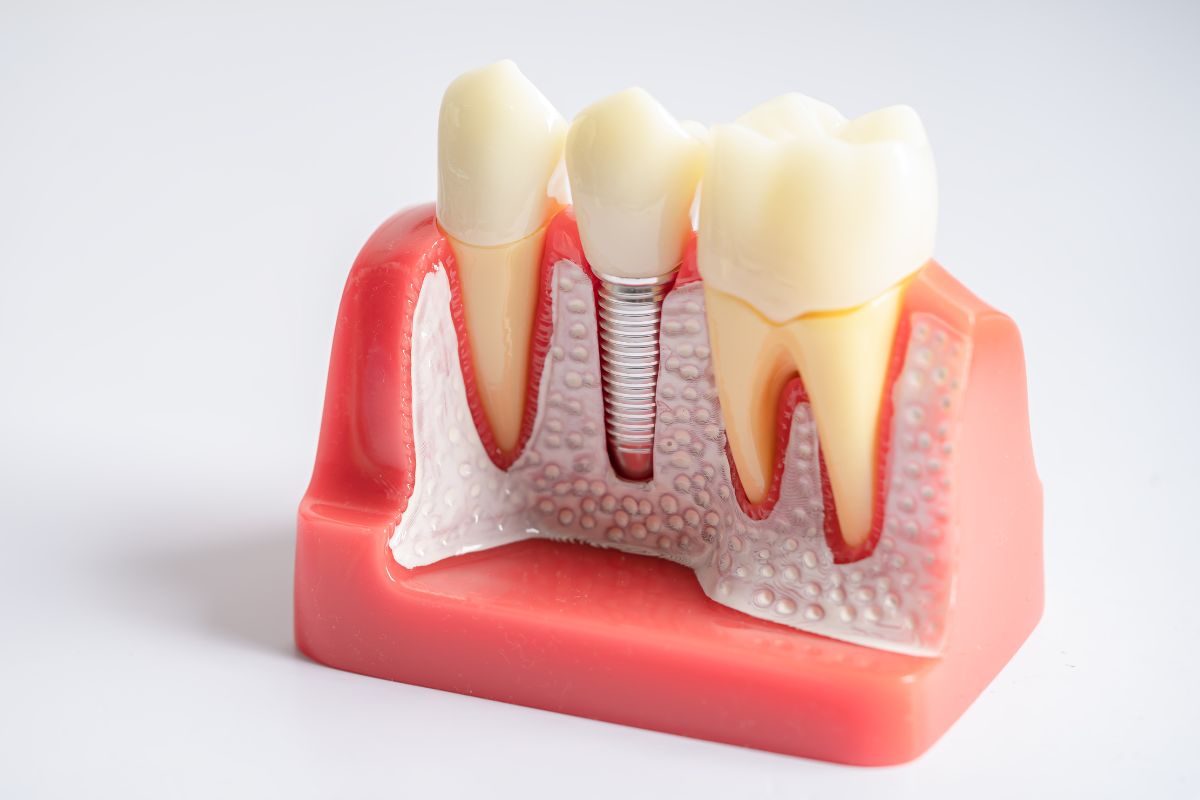
Dental implants serve as strong foundations for replacement teeth. They mimic natural roots, fusing with jawbone over time. This process, called osseointegration, ensures stability. Implants support crowns, bridges, or dentures. They preserve bone structure and prevent facial sagging. Ideal candidates have good oral health and sufficient bone density. A consultation assesses suitability.
The Impact of Diabetes on Dental Implants
Diabetes affects blood sugar levels, which can slow healing. High glucose promotes inflammation and infection risks. Yet, controlled diabetes doesn’t rule out implants. Studies show success when HbA1c stays below 8%. Dentists monitor closely during surgery and recovery. Pre-op antibiotics help. Good glycemic control boosts integration. Patients often report positive outcomes with proper management.
Uncontrolled diabetes raises complications like delayed fusion. Regular check-ups catch issues early. Lifestyle tweaks, like balanced diet and exercise, aid the process. Many diabetics enjoy long-lasting results. Focus on teamwork with your healthcare providers.
Osteoporosis and Dental Implants: Key Considerations
Osteoporosis weakens bones, including the jaw. Low density might challenge implant stability. However, most cases proceed successfully. Bone grafts strengthen the area if needed. Modern techniques adapt to individual needs.
Certain medications, like bisphosphonates, require review. They can affect healing. Dentists evaluate risks during planning. With tailored approaches, implants thrive. Research highlights high survival rates in managed osteoporosis. Patients regain function and aesthetics effectively.
Factors for Successful Implants with These Conditions
Success hinges on several elements. First, condition management: stable blood sugar or bone health treatments. Second, oral hygiene: daily brushing and flossing prevent infections. Third, lifestyle habits: quitting smoking improves outcomes.
Regular dental visits monitor progress. Nutrition supports healing—think calcium-rich foods for bones. Collaboration between dentists and physicians ensures safety. These steps minimize risks and enhance durability.
| Condition | Approximate Success Rate | Key Notes |
|---|---|---|
| General Population | 95-98% | Standard benchmark for healthy individuals. |
| Controlled Diabetes | 94-97% | Achieved with good HbA1c levels and monitoring. |
| Uncontrolled Diabetes | 85-90% | Higher risks; control improves odds significantly. |
| Osteoporosis | 94-97% | Possible with bone assessments and grafts if required. |
This table draws from clinical studies, showing managed conditions yield strong results.
Addressing Common Concerns
Worries about pain or recovery are common. Implants involve minor surgery, often under local anesthesia. Discomfort fades quickly with care. Healing takes months, but temporary solutions help during wait times.
For those seeking dental implants in Bentonville, AR, local expertise makes a difference. Options abound for personalized plans. Bone health evaluations guide decisions. Many find the process smoother than expected.
Recovery tips include soft foods initially. Avoid hard chewing on the site. Follow-up appointments track integration. Patience pays off with natural-feeling teeth.
Trending FAQs on Dental Implants for Diabetes and Osteoporosis
Here are some frequently asked questions based on what people often search for online:
- Can diabetics get dental implants? Yes, especially if diabetes is well-controlled. Success rates match those of non-diabetics when blood sugar is managed.
- How does diabetes affect dental implant healing? It can slow the process and increase infection risks, but pre-surgery planning and antibiotics mitigate these effectively.
- Are dental implants safe for people with osteoporosis? Generally yes. While bone density is a factor, grafts and evaluations ensure viability for most patients.
- Does osteoporosis medication impact dental implants? Some drugs like bisphosphonates may, so discuss with your dentist to adjust plans accordingly.
- What precautions should diabetics take before implants? Maintain stable glucose, follow oral hygiene, and coordinate with your doctor for optimal results.
These address top searches and provide quick, reliable answers.
Living with these conditions doesn’t mean compromising on oral health. Modern dentistry adapts to your needs. Explore options that fit your lifestyle.
If you are looking for a dentist near Bentonville, consider one who understands these nuances. They can guide you through assessments. It’s about finding the right fit for your situation.
Empower yourself with knowledge. Small steps lead to big improvements in quality of life.
In conclusion, dental implants offer hope for many facing diabetes or osteoporosis. With expert care, they restore smiles effectively. Reach out to schedule an appointment and start your journey today.