
February 6, 2026
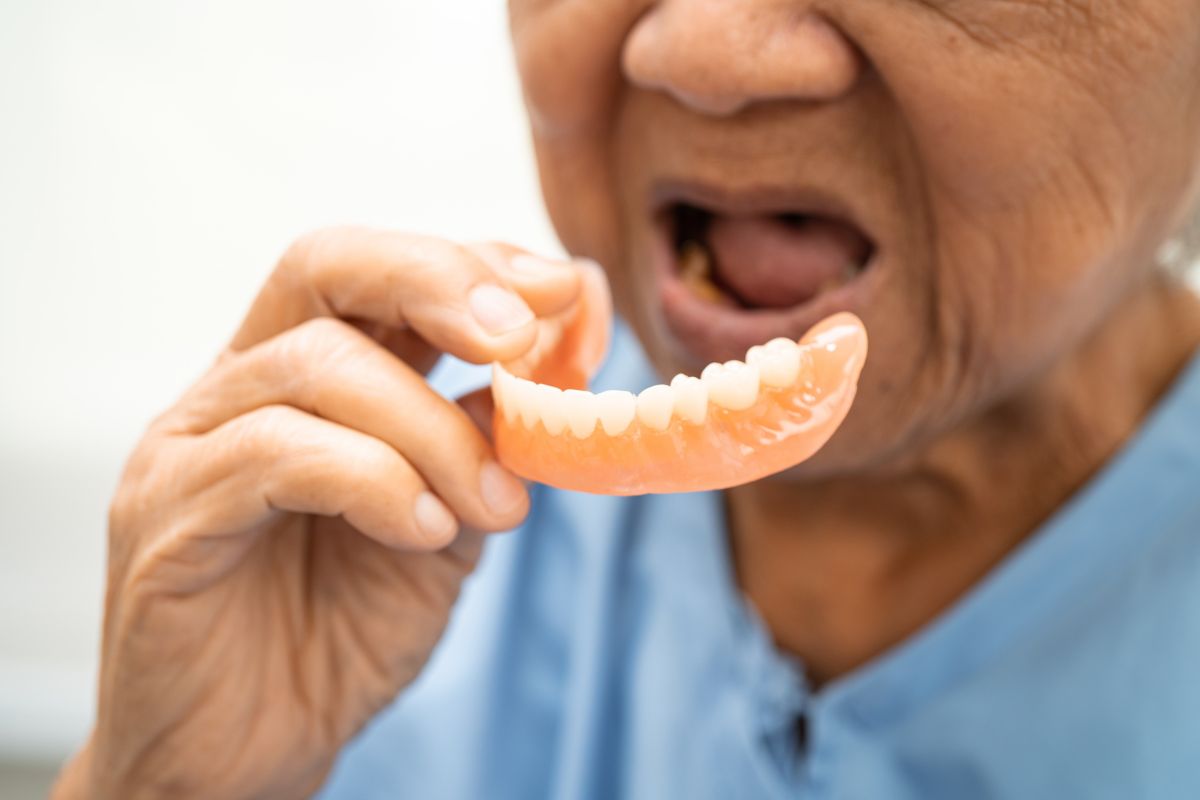
Dealing with missing teeth can feel overwhelming, especially when bone loss enters the picture. Many people worry that their jaw health might limit their choices for restoring a full smile. The good news is that modern dentistry offers solutions tailored to various situations. This post explores whether dentures remain a viable option despite bone challenges. We’ll cover causes, available types, and steps to take for better oral function. By understanding these aspects, you can make informed decisions about your dental health. Let’s dive into how dentures might still fit into your life, even with some jaw changes.
Understanding Bone Loss in the Jaw
Bone loss often starts after tooth extraction. Without roots to stimulate the jaw, the body resorbs unused bone tissue. This process, called resorption, happens gradually. Over time, it can alter facial structure and make chewing harder.
Certain factors speed up this issue. Gum disease plays a big role. Infections damage supporting tissues, leading to further deterioration. Medical conditions like osteoporosis also contribute. Poor nutrition or habits such as smoking worsen the problem.
Early signs include loose teeth or receding gums. Facial sagging might appear too. Regular check-ups help spot these changes soon. Dentists use X-rays to assess bone density. Knowing the extent guides treatment choices.
Preventing further loss matters. Good oral hygiene slows progression. Brushing twice daily and flossing help. A balanced diet supports bone health. Calcium and vitamin D are key.
Can Bone Loss Prevent You from Getting Dentures?
No, bone loss does not always block dentures. Many patients succeed with them despite some jaw reduction. Fit depends on the severity. Mild cases often work well with standard options.
Severe loss might need extra steps. Dentists evaluate jaw structure first. They look for enough support to hold prosthetics steady. If needed, adjustments ensure comfort.
Options exist for challenging situations. Some use advanced techniques to improve stability. These methods address resorption effects. Patients report better function and confidence.
Consulting a professional clarifies possibilities. They explain how your specific case fits. Personalized plans lead to positive outcomes.
Types of Dentures Suitable for Bone Loss
Traditional full dentures replace all teeth. They rest on gums. For bone loss, relines keep them snug as jaws change.
Partial dentures fill gaps. Clips or frameworks attach to remaining teeth. They suit moderate loss, preserving natural structure.
Implant-supported dentures offer stability. Anchors in the jaw hold them firm. This type stimulates bone, reducing further resorption.
Overdentures snap onto implants or roots. They feel natural. Ideal for those with some bone but needing extra support.
Each type has benefits. Choice depends on lifestyle and health. Discussing needs helps select the best fit.
The Dentures Procedure: What to Expect
Getting dentures begins with an exam. Dentists check oral health and bone levels. Impressions capture mouth shape.
Next, a model forms the base. Try-ins ensure proper fit and look. Adjustments refine bite and comfort.
Final placement follows. Instructions cover care and wear. Follow-ups monitor adjustments.
Healing time varies. Gums adapt over weeks. Soft foods ease the transition.
Maintenance keeps them effective. Clean daily to avoid issues. Store properly when not in use.
Dentures in Bentonville, AR, fits seamlessly into local dental practices, where experts guide patients through each step for optimal results.
Benefits of Dentures for Those with Bone Loss
Dentures restore chewing ability. Eating diverse foods becomes easier. Nutrition improves overall health.
Speech clarity returns. Missing teeth slur words. Prosthetics fix this, boosting communication.
Facial appearance enhances. They support cheeks and lips. This prevents a sunken look.
Confidence grows. Smiling freely changes interactions. Social life benefits.
Some types halt further loss. Pressure on jaws mimics natural stimulation. Long-term oral health improves.
Statistics on Tooth Loss and Bone Health
Here’s a quick look at key stats related to bone loss and dentures:
| Statistic | Detail | Source |
|---|---|---|
| Prevalence of Complete Tooth Loss | About 13% of U.S. adults aged 65+ have lost all natural teeth. | CDC (2020) |
| Bone Loss Impact on Women | Women with osteoporosis are 3x more likely to experience tooth loss. | Dental Research |
| Denture Wearers in the U.S. | Around 41 million Americans wear dentures, expected to rise to 42 million by 2025. | Industry Reports |
| Annual Denture Adjustments | 20% of wearers need adjustments within the first 3 years due to bone changes. | Dental Studies |
| Edentulism in Older Adults | 11-12% of adults 65-74 are edentulous, rising to 20% for those 75+. | Health Surveys |
These numbers highlight how common bone-related issues are and why timely solutions matter.
Trending FAQs on Dentures and Bone Loss
Many search for answers on this topic. Here are some frequently asked questions from Google, with clear responses:
- Can you wear dentures if you have bone loss? Yes, most people can. Adjustments or special types like implant-supported ones help maintain fit and function.
- What happens if you don’t have enough bone for dentures? Traditional dentures might slip, but options like bone grafting or overdentures can provide better support.
- Can you get dentures with severe bone loss? Absolutely, with advanced techniques. Dentists may recommend implants or grafts to rebuild structure.
- Do dentures prevent further bone loss? Standard ones don’t fully stop it, but implant-supported versions stimulate the jaw, slowing resorption.
- How long does it take to get dentures after bone evaluation? Typically 4-8 weeks, including exams, impressions, and fittings.
These cover common concerns and offer quick insights.
Dentures improve daily life. They aid eating and speaking. Comfort comes with time.
If you are searching for a restorative dentist near you, exploring local options can connect you with experts who understand your needs.
Caring for dentures extends their life. Rinse after meals. Brush gently. Avoid hot water.
Regular visits catch issues early. Adjustments keep them comfortable. Professional cleanings help too.
If this resonates with your situation, consider reaching out to discuss your options. Why not book a consultation to explore how dentures could work for you?
Dealing with bone loss requires patience. Progress happens step by step. Support from professionals guides the way.
Ready to take the next step toward a better smile? Schedule an appointment with our team to get personalized advice.
Restoring your smile brings renewed joy. It enhances meals, conversations, and self-assurance. With the right approach, dentures open doors to a fuller life, regardless of past bone changes. Embrace the possibilities ahead.