
June 4, 2025
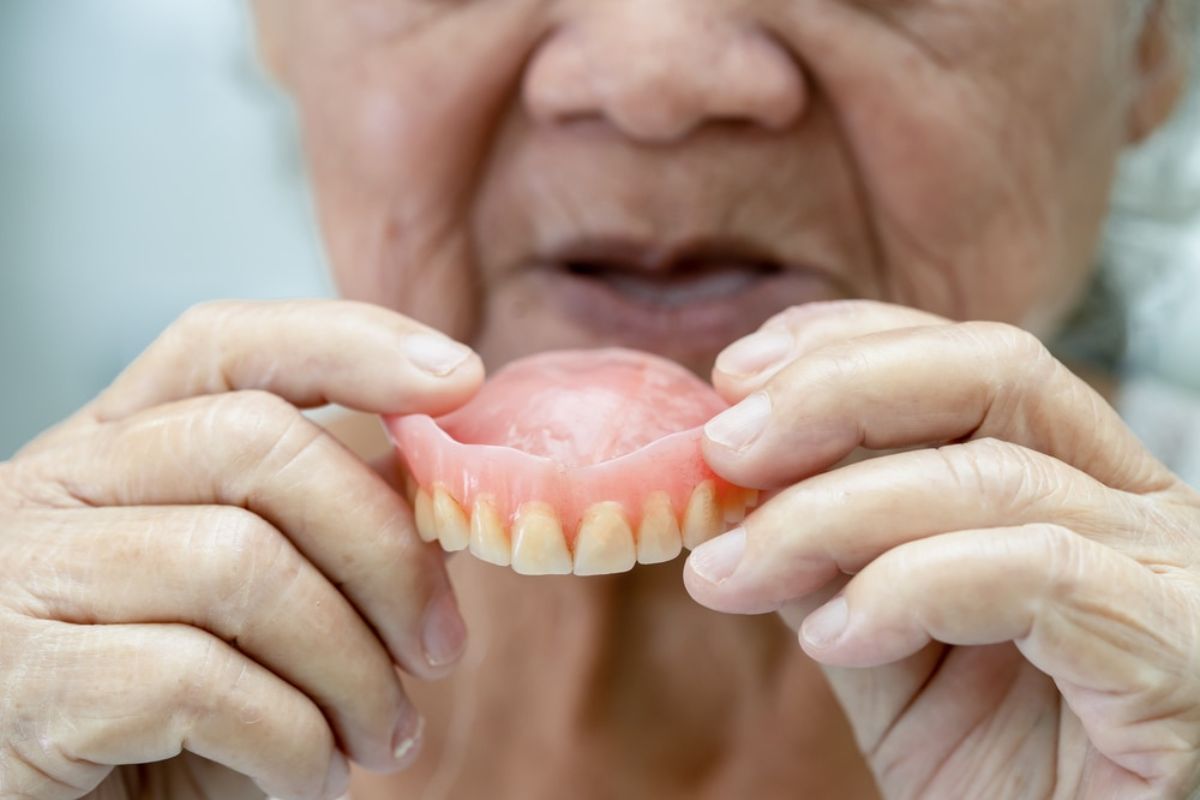
Dentures offer a transformative solution for those with missing teeth, restoring smiles and confidence. But one question often lingers for new denture wearers: Can you sleep with them in? This decision impacts oral health, comfort, and denture longevity. In this blog, we’ll explore the pros and cons of sleeping with dentures, share expert advice from local professionals, and provide practical tips to ensure your dental health remains a priority. Let’s dive into what you need to know for a restful night and a healthy smile.
Understanding Dentures: A Quick Overview
Dentures are removable prosthetic devices designed to replace missing teeth. They come in two main types: full dentures for those missing all teeth and partial dentures for those with some natural teeth remaining. Made from materials like acrylic or metal, dentures restore chewing function and aesthetics. According to the American Dental Association, millions of Americans rely on dentures to improve their quality of life. But wearing them 24/7, especially during sleep, raises questions about safety and care. Let’s explore the implications.
Should You Sleep with Dentures? Weighing the Pros and Cons
Sleeping with dentures might seem convenient, but it’s not always the best choice. Here’s a balanced look at the advantages and drawbacks.
Pros of Sleeping with Dentures
- Convenience: For some, keeping dentures in overnight avoids the hassle of removal and cleaning before bed.
- Emergency Readiness: If you need to speak or eat unexpectedly, having dentures in can be practical.
- Adjustment Period: New wearers might find it easier to adapt to dentures by wearing them continuously, including at night.
Cons of Sleeping with Dentures
- Increased Infection Risk: Leaving dentures in traps bacteria and plaque, raising the risk of gum infections like gingivitis.
- Gum Irritation: Continuous wear can cause soreness or inflammation, as gums don’t get a break from pressure.
- Bone Resorption: Wearing dentures 24/7 may accelerate jawbone loss, impacting facial structure over time.
- Denture Wear: Constant use without soaking can lead to faster deterioration of the prosthetic material.
The National Institute of Dental and Craniofacial Research highlights that giving your gums a break from dentures promotes better oral health. So, what do local experts recommend?
Advice from Dentists on Sleeping with Dentures
Dentists generally advise against sleeping with dentures. The consensus is to remove them at night to allow your gums to rest and maintain oral hygiene. In dentures in Bentonville, AR, professionals emphasize the importance of this practice for long-term dental health. Removing dentures at night reduces the risk of infections like denture stomatitis, a yeast infection caused by trapped moisture. It also gives your gums a chance to breathe, preventing soreness and promoting blood flow. Experts suggest soaking dentures in a cleaning solution overnight to keep them fresh and free of bacteria.
For those new to dentures, a family dentist in Bentonville, AR, might recommend wearing them at night for the first few days to adjust. However, they’ll likely encourage transitioning to nighttime removal once you’re comfortable. This approach balances adaptation with oral health needs. Always consult your dentist for personalized advice, especially if you have specific conditions like dry mouth or gum sensitivity.
How to Care for Your Dentures at Night
Proper nighttime care ensures your dentures last longer and your mouth stays healthy. Follow these steps for optimal maintenance.
- Remove and Rinse: After dinner, take out your dentures and rinse them under lukewarm water to remove food particles.
- Clean Thoroughly: Use a soft-bristled brush and non-abrasive denture cleaner to scrub all surfaces gently.
- Soak Overnight: Place dentures in a soaking solution or water to keep them moist and prevent warping.
- Oral Hygiene: Brush your gums, tongue, and palate with a soft toothbrush to stimulate circulation and remove plaque.
- Store Safely: Keep dentures in a secure container to avoid damage or loss.
Consistency in this routine minimizes the risk of bacterial buildup and keeps your dentures in top shape. It also ensures your mouth is ready for a restful night.
Alternatives to Sleeping with Dentures
If you’re hesitant to sleep without dentures due to appearance or function concerns, consider these alternatives.
- Dental Implants: A more permanent option, implants act as artificial tooth roots, eliminating the need for removable prosthetics.
- Partial Dentures: If you only need a few teeth replaced, partial dentures might feel less intrusive and easier to manage at night.
- Adhesive Adjustments: For daytime wear, denture adhesives can improve stability, reducing the urge to keep them in at night.
Discuss these options with your dentist to find a solution that fits your lifestyle and dental needs. They can guide you toward alternatives that enhance comfort and confidence.
Trending FAQs on Sleeping with Dentures
Here are answers to some frequently asked questions about sleeping with dentures:
- Can I sleep with my dentures in every night?
No, it’s not recommended. Sleeping with dentures increases the risk of gum infections and irritation. Remove them to let your gums rest. - What happens if I sleep with dentures for one night?
One night is unlikely to cause harm, but it can trap bacteria, leading to bad breath or minor irritation. It’s best to avoid making it a habit. - How long should I wear my new dentures each day?
New wearers should aim for 16-18 hours daily, removing them at night. This helps with adjustment while protecting oral health. - Can sleeping with dentures cause sore spots?
Yes, constant pressure from dentures can lead to sore spots or ulcers on your gums. Nighttime removal reduces this risk.
These FAQs address common concerns, helping you make informed decisions about your denture-wearing habits.
Tips for a Comfortable Transition to Nighttime Removal
Switching to sleeping without dentures can feel daunting, especially if you’re used to wearing them. Here are some tips to ease the transition.
- Start Gradually: Begin by removing dentures for a few hours before bed, then progress to overnight removal.
- Use a Mirror: Seeing your smile without dentures can help you adjust to the change in appearance.
- Stay Hydrated: Dry mouth can worsen discomfort. Drink water before bed to keep your mouth moist.
- Massage Your Gums: Gently massage your gums after removal to improve circulation and reduce sensitivity.
With time, you’ll find that sleeping without dentures feels natural and beneficial for your oral health.
Why Prioritizing Oral Health Matters
Whether you’re a new denture wearer or a long-time user, prioritizing oral health is key to a confident smile. Sleeping without dentures may take some getting used to, but the benefits—healthier gums, reduced infection risk, and longer-lasting dentures—are worth it. By following expert advice and maintaining a consistent care routine, you can enjoy the full advantages of your dental prosthetics. Consult your local dentist to create a plan that works for you, ensuring your smile stays bright and healthy for years to come.