
February 27, 2026
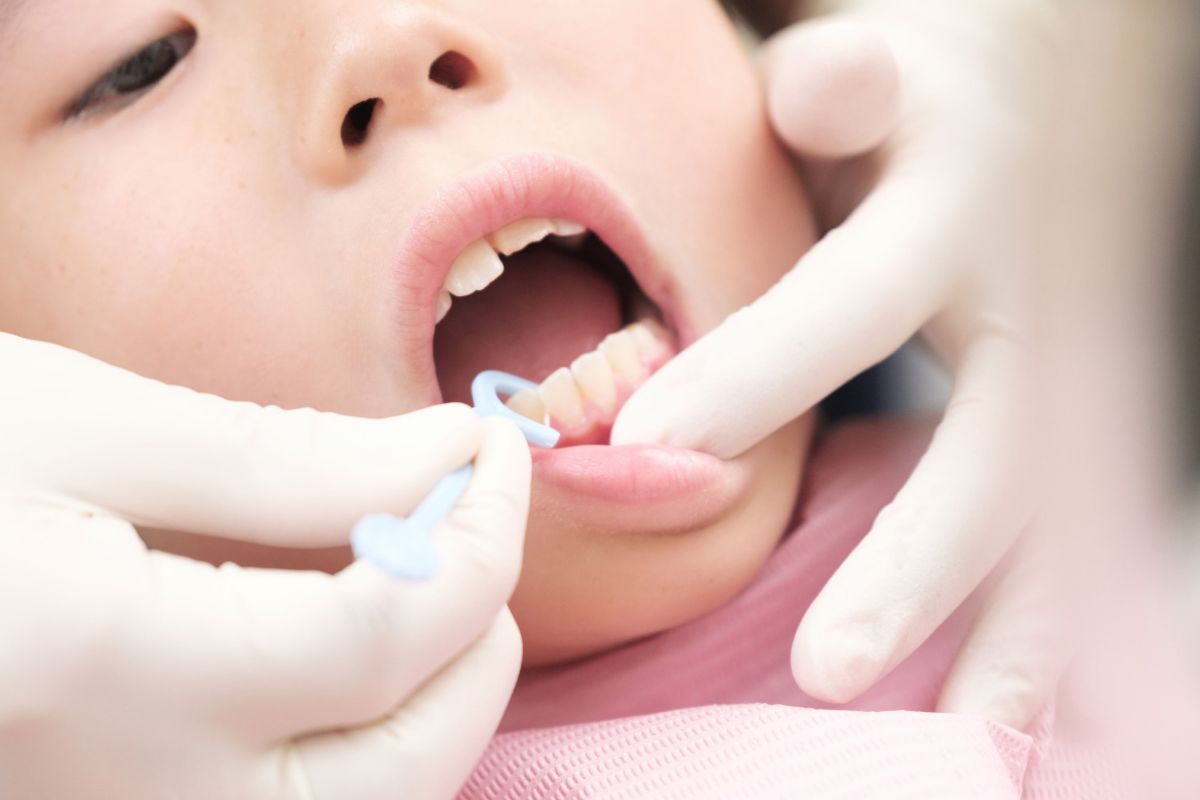
Picture this: Your little one flashes a gummy grin during a sunny Bentonville park outing. Those first teeth are emerging, full of promise. But hidden risks lurk in everyday routines. Baby bottle tooth decay, also known as early childhood caries, strikes fast if unchecked. It erodes tiny enamel, leading to pain and bigger issues down the line. As a parent in this vibrant Arkansas community, you want proactive steps. This guide shares simple, evidence-based ways to shield your child’s smile. Let’s dive in and keep those pearly whites sparkling.
What Is Baby Bottle Tooth Decay?
Baby bottle tooth decay hits infants and toddlers hard. It forms when sugars from milk or juice pool on teeth for long stretches. Bacteria feast on them, producing acids that attack enamel. Front upper teeth suffer most. Without intervention, decay spreads quickly in soft baby teeth.
In Northwest Arkansas, busy families juggle sippy cups and bottles amid school runs and Crystal Bridges visits. This condition, sometimes called nursing bottle caries, affects smiles before age three. Spot early signs like white spots or brown stains. Awareness empowers you to act.
Key Causes to Watch For
Sugary liquids are the main culprit. Formula, milk, or juice left in a bottle during naps invites trouble. Saliva flow drops during sleep, letting acids linger. Frequent snacking amplifies risks.
Bacteria transfer easily, too. Sharing utensils with food residue spreads decay-causing germs. Dry mouth from medications ups vulnerability. In humid Bentonville summers, hydration matters, but sweetened drinks deceive.
Prolonged exposure trumps the type of liquid. Even natural sugars in breast milk can harm if constant. Genetics plays a role, but habits drive most cases.
Proven Prevention Tips for Bentonville Families
Start habits young. Wipe gums with a damp cloth daily before teeth appear. This builds routine and removes plaque precursors.
Clean Early and Often
Brush once the first tooth erupts. Use a soft, child-sized brush with rice-grain-sized fluoride toothpaste. Aim for twice daily. Floss when teeth touch. Make it fun—sing songs during sessions.
Local tap water in Bentonville often contains naturally occurring fluoride. It strengthens enamel against acids. Rinse with it post-meals if brushing isn’t immediate.
Ditch Bedtime Bottles
Never let your baby nod off with a bottle. Sugars sit overnight, fueling decay. Switch to cuddles or stories instead. Offer water if thirst strikes.
Transition to cups by 12-18 months. Sippy cups curb spills, but watch for constant sipping. Limit to meals.
Cut Back on Sugars
Stick to milk, formula, or water in bottles. Juice? Dilute heavily or skip. Avoid sweetened cereals that stick.
Snack smart. Fresh fruits beat gummies. Between meals, water flushes debris. Chewable xylitol products for older toddlers deter bacteria.
Build Healthy Routines
Diet ties in. Calcium-rich foods support teeth. Veggies crunch away plaque. Chew together as a family—it models good habits.
Track progress with a chart. Reward sticker-free days. Consistency pays off.
| Early Childhood Caries Statistics | Details |
|---|---|
| Prevalence in U.S. Children Under 6 | Affects about 23% nationwide, per CDC data |
| Impact on Low-Income Families | Up to 50% higher risk due to access barriers |
| Arkansas-Specific Rate | Around 28% in toddlers, mirroring regional trends |
| Prevention Success | 90% reduction with fluoride use and no bedtime bottles |
These stats highlight urgency. Sources like the American Dental Association underscore simple changes yield big wins.
Professional Guidance for Lasting Smiles
Early checkups catch issues before they escalate. Aim for a first visit by age one or six months after eruption. Pros assess risks and tailor plans.
For tailored advice on alignment from the start, consider how strong baby teeth pave the way for braces later. That’s where our pediatric dentist in Bentonville, AR steps in—offering insights on foundational care that supports orthodontic health. They spot subtle shifts early, ensuring even spacing as permanent teeth arrive.
Diet tweaks help too. Swap sodas for infused water. Monitor pacifier use—limit to comfort, not sleep.
Trending FAQs on Baby Bottle Tooth Decay
Parents in Bentonville often search these Google top questions. Here’s quick, reliable answers based on expert consensus.
- What causes baby bottle tooth decay? Frequent exposure to sugary drinks, especially at night, lets bacteria produce enamel-eroding acids. Bedtime bottles top the list.
- How do I know if my baby has it? Look for chalky white spots, sensitivity to hot/cold, or swollen gums. Front teeth brown or pit early—consult a pro ASAP.
- When should I start brushing my baby’s teeth? Right after the first tooth pops up, around 6 months. Use fluoride paste sparingly to build protection.
- Can breastfed babies get it? Yes, if nursed on demand overnight. Sugars in milk feed bacteria—wipe gums post-feed.
- Does it affect permanent teeth? Indirectly. Lost baby teeth shift space, complicating alignment. Prevention now eases future ortho needs.
These cover common worries. Dive deeper with trusted sources like the ADA.
If you are searching for a childrens’ dentist near you, prioritize those versed in early intervention. Local options abound, focusing on gentle, family-centered care.
Bright Smiles Start Today
You’ve got the tools now—simple swaps and routines that fit Bentonville life. From park picnics to cozy evenings, guard those grins fiercely. Healthy baby teeth foster confident kids ready for school and beyond. Prevention isn’t perfect, but it’s powerful.
Ready to chat about habits or spot-check progress? Contact us today, and let’s team up for that lifelong sparkle.