
December 4, 2024
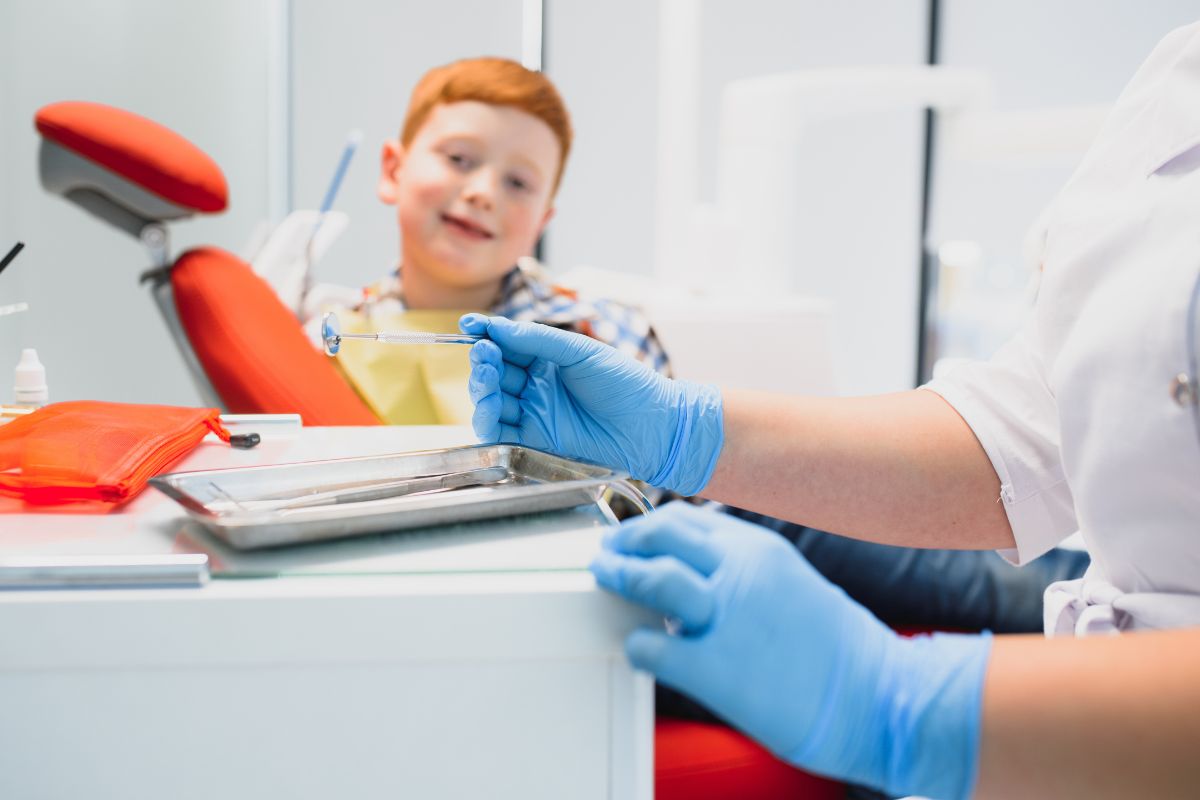
As a parent, there’s nothing more important than ensuring your child’s comfort and well-being. But when it comes to dental visits, anxiety can often get in the way, making an otherwise routine appointment seem like an insurmountable challenge. If your little one dreads the thought of sitting in that big, unfamiliar chair, you’re not alone. Dental anxiety is common among kids, but the good news is there are plenty of strategies to help them overcome it.
Today, let’s dive into how you can make dental visits more enjoyable for your child and why pediatric dentistry is here to help you every step of the way.
Understanding Why Kids Feel Anxious About the Dentist
The Root of the Fear
It’s important to first understand why your child might feel anxious or scared about dental visits. A lot of it boils down to the unfamiliarity of the dental office environment. For younger children, the sounds of the dental tools or the feeling of someone poking around in their mouth can be pretty overwhelming. Also, children can often sense when their parents are nervous, and that can heighten their own fears. The anxiety might also stem from a previous negative experience, or it could simply be the fear of the unknown.
Recognizing the Signs
Children often express anxiety differently than adults, so it’s important to know what signs to look for. If your child:
- Complains of stomachaches or headaches the morning of the appointment
- Throws a tantrum or clings to you when it’s time to go
- Starts crying or becomes very nervous during the visit
These are all signs that they might be experiencing dental anxiety. But don’t worry! With the right strategies, you can help them overcome their fear and make their dental visit a lot smoother.
6 Tips to Help Your Child Overcome Dental Anxiety
1. Choose a Pediatric Dentist You Trust
The foundation of easing dental anxiety begins with choosing the right dentist. Pediatric dentist in Bentonville specializes in working with kids and creating a comfortable, welcoming environment. These dentists are skilled in making dental visits fun, stress-free, and even educational for your child. They understand how to work with kids of all ages and have the patience and knowledge to put their minds at ease.
Whether it’s their bright and playful office décor or the way they communicate in kid-friendly terms, a pediatric dentist is trained to ease fears and help children feel at home in the dental chair. They know how to explain procedures using simple, non-threatening language, such as telling your child that the dentist is “just going to take a quick look” rather than using intimidating terms.
2. Start Early: Introduce Your Child to the Dentist
Introducing your child to the dentist early on can significantly reduce their anxiety in the future. The American Academy of Pediatric Dentistry recommends scheduling your child’s first dental visit by their first birthday or within six months of the eruption of their first tooth. Early visits give your child a chance to get used to the environment, meet the dental team, and build a positive relationship with their dentist.
By making dental visits a routine part of their life from the start, your child will feel more comfortable with the process, and it will become just another part of their normal healthcare routine.
3. Use Positive Language: Frame It as a Fun Adventure
Language plays a huge role in how your child perceives their visit to the dentist. Avoid using words that could trigger fear, like “pain,” “hurt,” or “shot.” Instead, frame the visit in a positive, fun light. For example:
- “Today, the dentist is going to count your teeth and make sure they’re nice and clean!”
- “We’re going on a dental adventure to make your smile even brighter!”
By using these positive phrases, you make the experience feel less intimidating and more like a fun trip to a place they’ll enjoy.
4. Role-Play at Home: Make It a Game
One way to reduce your child’s anxiety is to make them feel like they’re already familiar with what’s going to happen. Set up a “dentist office” at home with a toothbrush, a toy dental kit, or even a soft mirror. Let your child take turns playing the role of the dentist and patient. This role-playing can help them feel in control and allow them to practice the steps in a non-threatening way.
You can also practice sitting in the dentist’s chair together at home to get them used to the experience. This playful approach builds their confidence and helps them understand that dental visits aren’t something to fear.
5. Watch Dental-Themed Shows or Read Books
There’s no better way to prepare your child for the dentist than by making it a fun topic at home. Books and videos are an excellent way to normalize the experience and make it seem more relatable. There are plenty of child-friendly books and shows that feature characters going to the dentist, which can help ease their fears. Popular choices include The Berenstain Bears Visit the Dentist or Peppa Pig: Dentist Trip.
By watching their favorite characters go through a dental visit, your child can see that it’s a normal, even fun, part of life. Plus, it might make your child more eager to visit the dentist themselves!
6. Offer Rewards and Praise After the Visit
Children thrive on positive reinforcement. After a successful dental visit, make sure to praise your child for being brave. You can offer small rewards like stickers, extra playtime, or a small treat. This not only makes them feel proud of their accomplishments but also encourages them to keep up the good work with their dental hygiene.
Positive reinforcement will help them associate dental visits with good things, making the next visit a little easier. Over time, they’ll learn that visiting the dentist is a routine part of life and not something to fear.
How Can Your Pediatric Dentist Help?
Child-Friendly Explanations
A great pediatric dentist in Bentonville knows how to ease your child’s fears by explaining what’s going to happen in a way they can understand. Instead of using complicated terms, your child’s dentist will use simple, relatable language. For example, they might say, “I’m going to give your teeth a quick cleaning to make sure they stay nice and shiny!” This kind of language reduces the mystery and fear surrounding dental visits.
Distraction Techniques
Many pediatric dental offices have plenty of distractions to keep kids entertained during their appointments. From colorful walls to video games or even television screens showing cartoons, these distractions help take your child’s focus off the dental procedure. Some offices may even have toys in the waiting area to keep your child occupied and calm before the appointment begins.
Sedation Options for Severe Anxiety
If your child has severe dental anxiety, your dentist may recommend sedation options. Nitrous oxide (laughing gas) is a common, safe, and effective choice for relaxing your child during a procedure. It can help them feel more comfortable while still staying alert and responsive. Your dentist will explain all the options and help you choose the best one based on your child’s needs.
The Long-Term Benefits of Overcoming Dental Anxiety
Helping your child overcome dental anxiety can have long-lasting positive effects on their overall health. Regular dental visits from a young age lead to better oral health, as your child learns how to maintain healthy teeth and gums.
But the benefits go beyond just dental health. Overcoming fear in a safe, supportive environment builds confidence in your child. They will be more likely to feel comfortable in other healthcare settings and be less fearful of medical appointments in general.Dental anxiety is a common challenge, but with the right approach, you can help your child overcome it. Choosing the right pediatric dentist in Bentonville, starting early, using positive language, and offering praise are all excellent ways to make dental visits easier for your child. By taking these steps, you’re helping them develop good oral health habits for a lifetime. The key is to make dental care a positive experience, one that will lead to a healthy, confident smile for years to come.