
October 21, 2025
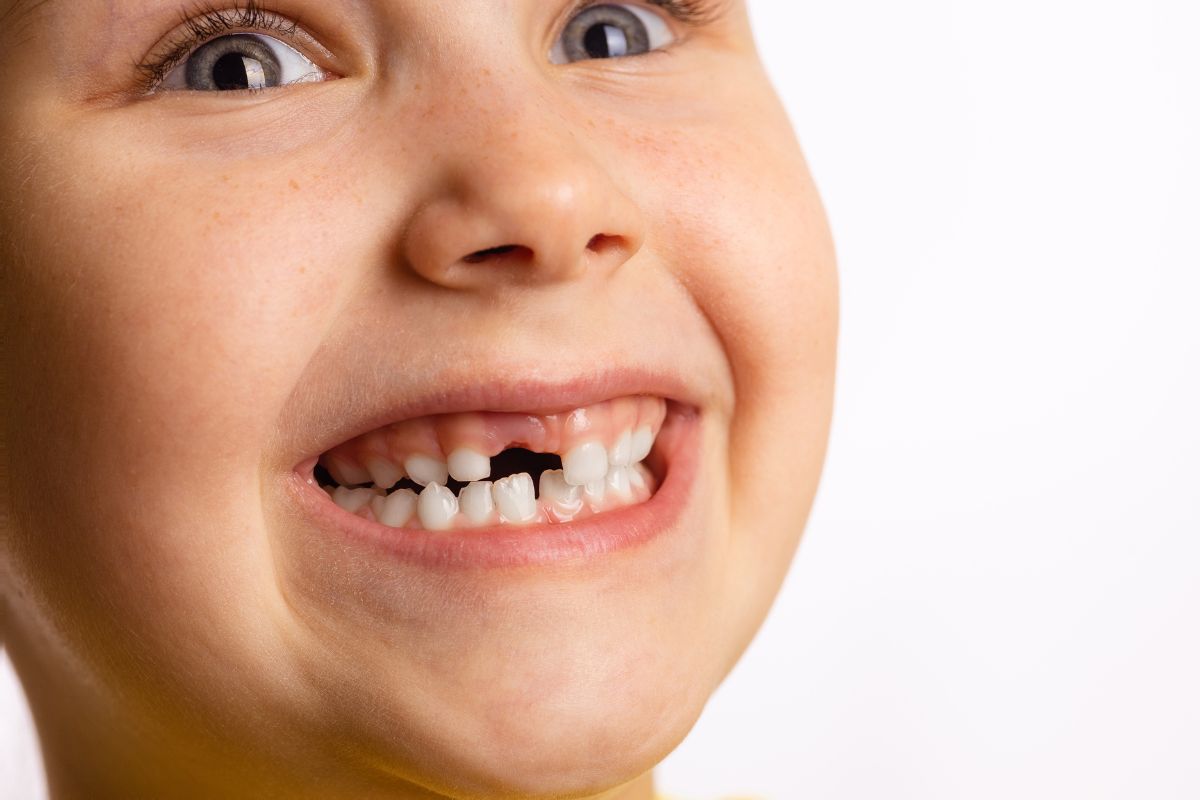
Imagine your little one’s first giggle, that tiny tooth peeking through a gummy smile. Those early moments are pure magic. But they come with a hidden challenge: protecting those budding teeth from decay. As a parent in a bustling place like Bentonville, you want straightforward ways to keep cavities at bay. This guide dives into practical steps. You’ll gain confidence to nurture healthy smiles right from infancy. Let’s turn worry into worry-free routines.
Understanding Baby Bottle Tooth Decay
Baby bottle tooth decay, also called early childhood caries or nursing bottle caries, hits infants and toddlers hard. It starts when sugars from milk, formula, or juice linger on teeth. Bacteria feast on them, producing acids that erode enamel. The upper front teeth often suffer first. Without quick action, it leads to pain, infections, and speech delays.
Why does it matter so much? Primary teeth guide permanent ones into place. Decay here can shift alignments, causing crooked smiles later. In the U.S., nearly one in five kids under five faces this issue. Local families see it too, tied to busy schedules and soothing bedtime bottles.
| Statistic | Prevalence | Source Insight |
|---|---|---|
| U.S. children under 5 with caries | 19% | AAPD State of Little Teeth Report (2015-2016) |
| Risk from bedtime bottle use beyond 12 months | Doubles decay odds | Australian study on toddler feeding |
| Affected American Indian/Alaska Native kids | Over 50% | CDC community prevention data |
These numbers highlight the need for vigilance. Spotting risks early keeps smiles intact.
Common Causes and Risk Factors
What sparks this decay? Frequent, prolonged bottle exposure tops the list. Sipping milk or juice for hours coats teeth in sugars. Nighttime feeds are sneaky culprits. Saliva flow drops during sleep, leaving acids unchecked.
Other factors play in. Low fluoride intake weakens enamel. Poor home hygiene lets plaque build. Even genetics or dry mouth can nudge risks higher. In areas like ours, with active outdoor lifestyles, snack-heavy days add up.
Don’t overlook diet. Sticky carbs and sodas fuel bacteria. Breastfeeding is best, but bottle habits need tweaks. Awareness here prevents most cases.
Effective Prevention Strategies
Prevention starts simply. Build habits that shield tiny teeth daily. Let’s break it down.
Master Oral Hygiene Basics
Wipe gums with a soft cloth after feeds from birth. Once teeth erupt—around six months—use a rice-grain smear of fluoride toothpaste. Brush twice daily. Floss when neighbors touch.
Make it fun. Sing songs during brushing. Choose soft, kid-sized brushes. This routine fights plaque before it hardens.
Smart Feeding Habits
Ditch the bedtime bottle. Offer water only if needed. Wean to sippy cups by 12-18 months. Limit juice to meals, diluted if at all.
Sip, don’t nurse endlessly. Hold babies upright during feeds. This cuts liquid pooling. Transition to solids early for balanced nutrition.
Boost with Fluoride and Sealants
Fluoride strengthens enamel. Use varnishes from dental visits. Tap water often has it—check yours.
Sealants shield molars later. Applied young, they block decay grooves.
Parents often ask: How soon to start? Right away. These steps slash risks by 40-60%.
Signs to Watch For and When to Act
Early clues include white spots on teeth or sensitivity to sweets. Brown stains or bad breath signal trouble. Swollen gums? Act fast.
Pain during eating or sleep disrupts routines. Don’t wait—untreated decay spreads.
Catch it early with checkups. First visit by age one sets baselines. Monitor growth. Address thumb-sucking or pacifier overuse too.
Related night habits matter. Grinding, or bruxism, can wear enamel and increase the risk of decay. Following the pediatric dentistry bruxism guideline from bodies like the AAPD helps. It stresses monitoring sleep patterns and gentle interventions like stress reduction. This holistic view ties oral health together. Early chats with pros guide safe management.
The Role of Regular Dental Checkups
Routine visits build trust. Dentists spot issues invisible at home. They teach tailored tips, like local water fluoride levels.
In Bentonville, families thrive with proactive care. A pediatric dentist in Bentonville, AR, can customize plans. From cleanings to behavior coaching, these pros make visits joyful.
Ever feel overwhelmed? You’re not alone. Checkups demystify care. They empower you with tools for home success.
If you’re searching for “pediatric dentist near me,” know options abound. Look for kid-friendly spaces with gentle approaches. Prioritize experience in infant exams. This ensures peace of mind.
Many wonder about ties to other habits. Pacifiers can clean and provide limited help. But over-reliance mimics bottle risks.
Trending FAQs on Baby Bottle Tooth Decay
Parents everywhere turn to Google for answers. Here are the top questions, with clear insights:
- What is baby bottle tooth decay? It’s cavities from prolonged sugary liquid exposure, often in front teeth. Starts as young as 6 months.
- How can I prevent baby bottle tooth decay at home? Wipe gums daily, avoid bedtime bottles, and brush with fluoride paste. Limit juice.
- At what age should I worry about tooth decay in babies? From the first tooth. Schedule a dental visit by age one.
- What are the signs of early childhood caries? White spots, pain when eating, or foul breath. Check at every feed.
- Can breastfeeding cause bottle tooth decay? Rarely, if prolonged night feeds occur. Upright positioning helps prevent it.
These cover core concerns. Dive deeper with your provider.
Wrapping up, you’ve got the roadmap now. Small changes yield big wins for your child’s grin. Start today—wipe those gums, swap that bottle. Healthy habits bloom into confident smiles.
Ready to chat? Call (479) 271-9900 to schedule an appointment. Let’s team up for cavity-free joy.