
January 28, 2025
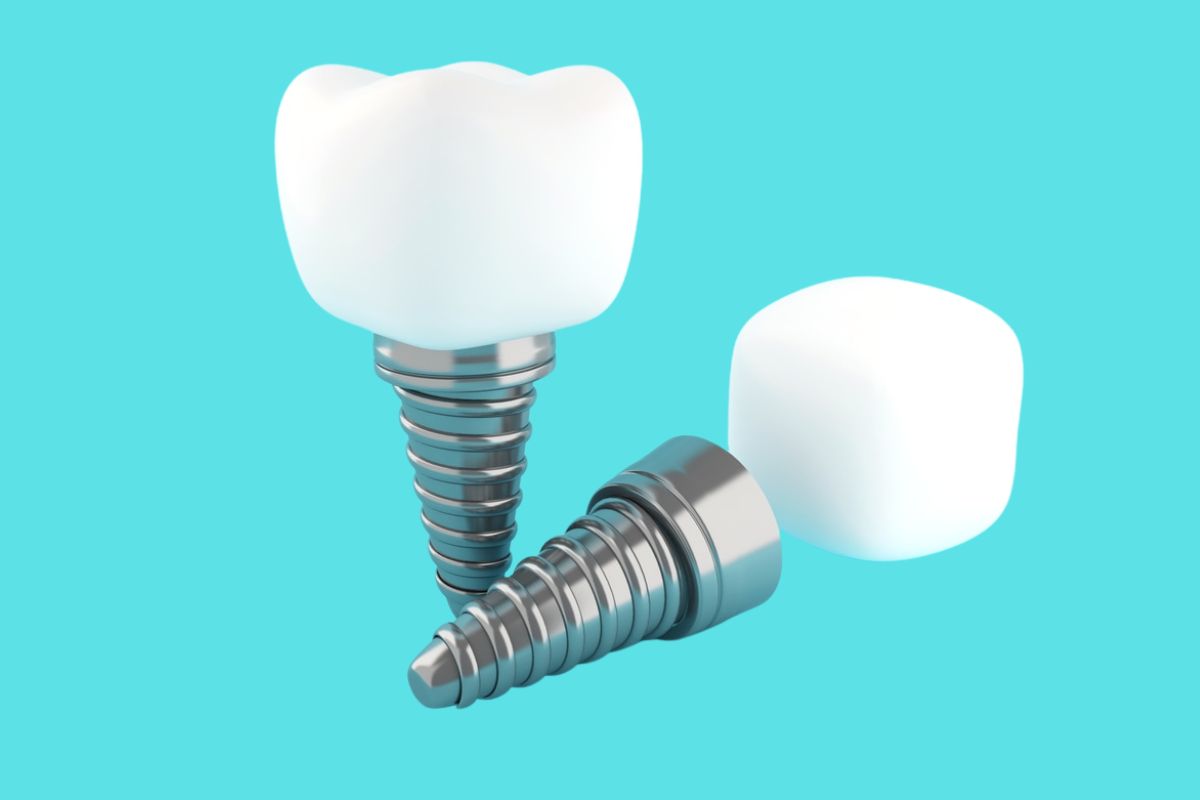
For seniors looking to restore their smiles and improve oral health, dental implants offer a transformative solution. They provide a natural-looking, durable replacement for missing teeth, allowing for better chewing, clearer speech, and boosted confidence. However, as with any procedure, it’s essential to understand the potential risks and complications, particularly for older adults. Let’s explore what seniors should know about dental implants in Bentonville, the possible challenges, and how to ensure the best outcomes.
Overview of Dental Implants for Seniors
Dental implants are titanium posts surgically placed into the jawbone to support replacement teeth like crowns, bridges, or dentures. They are highly regarded for their durability, functionality, and aesthetic appeal. For seniors, implants can significantly enhance quality of life by preventing bone loss, improving nutrition, and maintaining facial structure.
The Potential Risks and Complications
While most seniors experience great success with dental implants, it’s important to be aware of potential risks, including:
- Implant Failure
Seniors with bone loss or conditions like osteoporosis may face a higher risk of implant failure. Poor osseointegration, where the implant doesn’t properly fuse with the jawbone, can compromise the outcome. - Infection at the Implant Site
Peri-implantitis, an infection around the implant, is a common complication. Seniors with weakened immune systems or chronic illnesses such as diabetes may be more susceptible to this issue. - Slow Healing
Healing times can vary, but older adults may experience delays due to reduced cell regeneration, medications like blood thinners, or chronic health conditions. - Surgical Risks
Complications such as nerve damage, sinus perforation, or excessive bleeding can occur during surgery. These risks are rare but may increase with age-related health concerns. - Bone Grafting Challenges
Some seniors require bone grafting to strengthen the jawbone before implant placement. While effective, this additional step can prolong the treatment process and increase the risk of complications.
How Seniors Can Mitigate Risks
The good news is that there are ways to reduce risks and increase the likelihood of a successful outcome with dental implants in Bentonville. Here’s how seniors can prepare:
- Comprehensive Evaluation: A thorough assessment, including imaging and medical history, helps ensure that you’re a suitable candidate for implants.
- Select an Experienced Cosmetic Dentist: A skilled professional can minimize surgical risks and ensure precise implant placement.
- Maintain Excellent Oral Hygiene: Regular brushing, flossing, and dental check-ups are essential for preventing infections.
- Manage Chronic Conditions: Keeping diabetes or other health issues under control supports healing and reduces complications.
- Follow Post-Operative Care Instructions: Adhering to your cosmetic dentist’s recommendations for diet and activity is crucial for a smooth recovery.
- Quit Smoking: Smoking impairs healing and increases the risk of implant failure. Quitting before the procedure can significantly improve outcomes.
Benefits of Dental Implants for Seniors
Despite the risks, dental implants offer unmatched benefits for seniors. Unlike traditional dentures, implants prevent bone loss, support facial structure, and provide a secure fit. They allow for easier eating, better nutrition, and improved quality of life. The durability and natural appearance of implants also make them a preferred choice for long-term dental solutions.
For most seniors, the benefits of dental implants far outweigh the potential risks. With careful preparation, an experienced provider, and proper aftercare, implants can deliver life-changing results. If you’re considering this procedure, consult a trusted cosmetic dentist near you for a personalized evaluation and guidance. Investing in dental implants can help you achieve a healthier, more confident smile, improving not just your oral health but your overall well-being.