
January 14, 2025
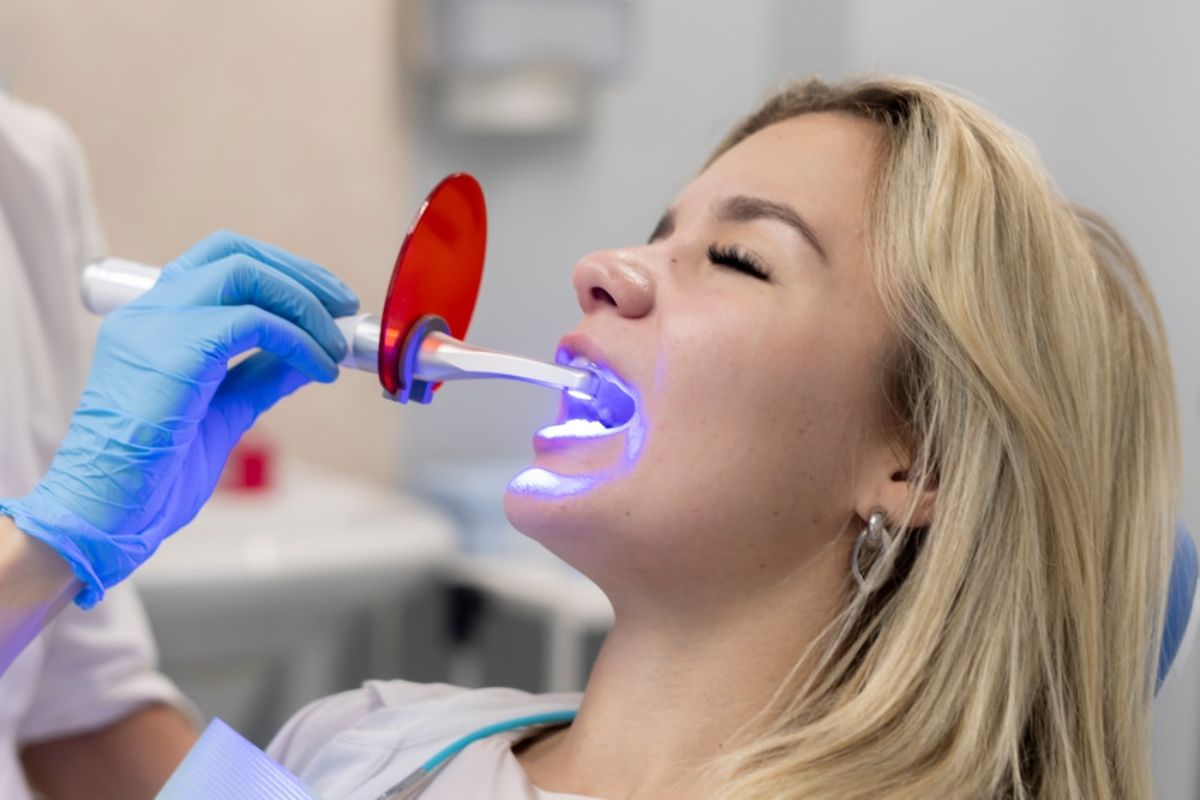
A sparkling white smile can boost your confidence, but what happens when teeth whitening leads to sensitivity? This temporary discomfort is a common side effect that many people experience during or after whitening treatments. Understanding why it happens and how to prevent it can help you enjoy the benefits of teeth whitening in Bentonville without the pain.
What Is Teeth Whitening Sensitivity?
Teeth whitening sensitivity occurs when whitening agents penetrate your enamel and reach the dentin layer of your teeth, which contains tiny tubules connected to nerve endings. As a result, you may feel sharp, shooting pains or a dull ache, particularly when consuming hot, cold, or sweet foods and beverages. The good news? It’s usually temporary and manageable.
Causes of Teeth Whitening Sensitivity
1. Whitening Agents
Hydrogen peroxide or carbamide peroxide are the active ingredients in most whitening treatments. These agents can irritate the dentin and nerves, leading to sensitivity.
2. Thin or Worn Enamel
If your enamel is already thin—due to aging, acidic diets, or aggressive brushing—it’s less effective at shielding the sensitive dentin beneath.
3. Overuse of Whitening Products
Frequent use of whitening kits can strip enamel, making teeth more vulnerable to irritation.
4. Gum Irritation
When the whitening gel comes into contact with gums, it can cause temporary sensitivity in the surrounding areas.
5. Existing Dental Issues
Conditions like cavities, cracked teeth, or gum recession expose sensitive parts of your teeth, amplifying the effects of whitening.
How to Address Teeth Whitening Sensitivity
If you’re experiencing discomfort, several strategies can help:
- Switch to a Desensitizing Toothpaste: Products with potassium nitrate or stannous fluoride can block nerve signals and strengthen enamel.
- Opt for Professional Whitening: Dentists can tailor the treatment to minimize sensitivity and ensure a safer process.
- Reduce Whitening Frequency: Allow time between sessions for your teeth to recover.
- Use Fluoride Treatments: Applying fluoride before or after whitening strengthens enamel and reduces irritation.
- Avoid Triggers: Steer clear of overly hot, cold, or acidic foods and drinks immediately after whitening.
Preventing Teeth Whitening Sensitivity
1. Maintain Good Oral Hygiene
Healthy teeth are less prone to sensitivity. Brush and floss daily, and use fluoride toothpaste to protect enamel.
2. Use Desensitizing Products Before Whitening
Start using a desensitizing toothpaste a few weeks before your whitening treatment to prepare your teeth.
3. Avoid Acidic Foods and Drinks
Limit your intake of soda, citrus, and other acidic substances that weaken enamel.
4. Follow Whitening Instructions Carefully
Whether using at-home kits or professional treatments, stick to recommended application times and frequencies.
5. Address Preexisting Dental Issues
See your dentist to treat cavities, cracks, or gum recession before whitening.
Benefits of Professional Whitening for Sensitivity Management
Choosing professional teeth whitening in Bentonville offers a safer, more comfortable experience. Dentists can customize the treatment to fit your needs, adjust the whitening agent’s strength, and use protective gels to shield gums and reduce irritation. Professional oversight also ensures the procedure doesn’t exacerbate sensitivity or damage enamel.
A Brighter Smile Without Discomfort
Teeth whitening sensitivity doesn’t have to hold you back from achieving the dazzling smile you’ve always wanted. With the right preparation, professional guidance, and preventive measures, you can minimize discomfort and enjoy long-lasting results.If sensitivity persists or you’re unsure about the best whitening method for you, consult a dentist near you. They’ll help you find the perfect solution to brighten your smile safely and effectively.