
April 10, 2025
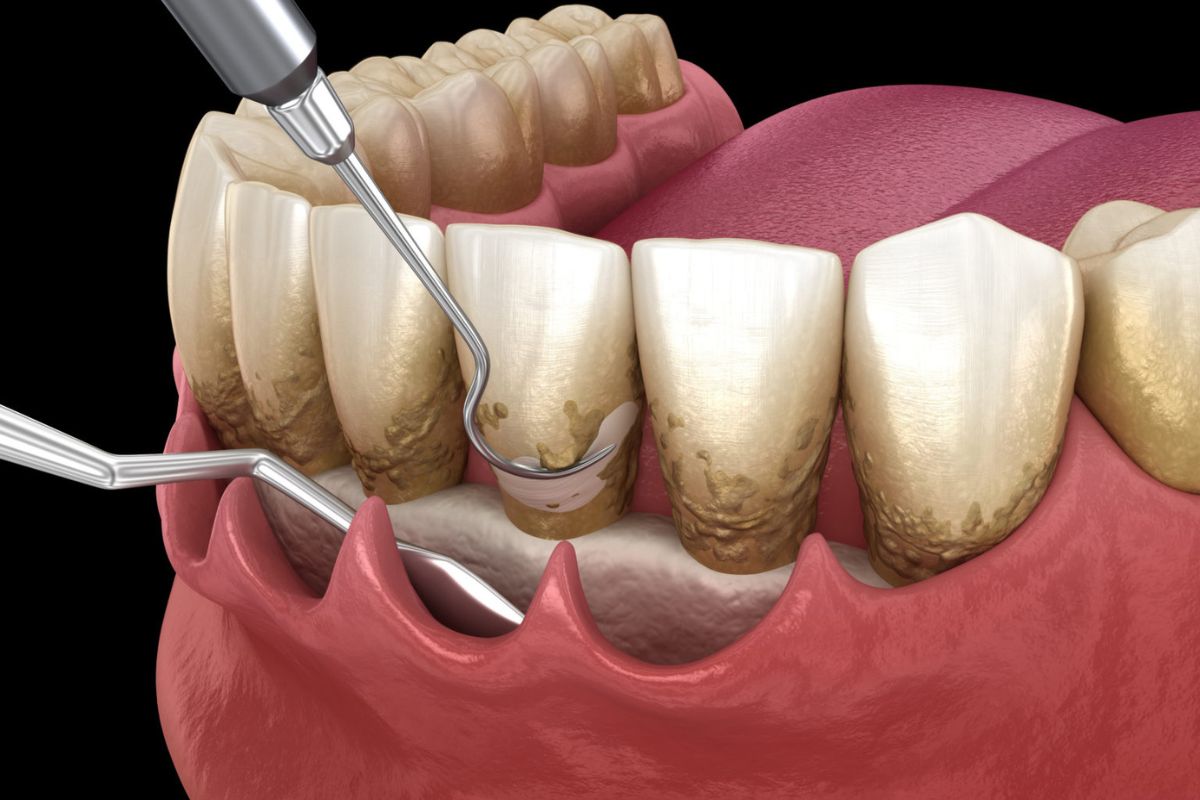
Receding gums can be more than just a cosmetic issue—they can lead to serious oral health complications. If you’ve noticed your teeth looking longer than usual or feeling extra sensitive, you might be dealing with gum recession. One effective solution your dentist may recommend is a gum grafting procedure.
Let’s break down what gum grafting really is, when it’s needed, and how it can improve your oral health.
What is a Gum Graft?
A gum graft is a dental procedure where tissue is taken from another area of your mouth (often the roof of the mouth) or a donor source and grafted onto areas where the gums have receded. The goal is to cover exposed roots, reduce sensitivity, and restore your natural gum line.
It may sound intense, but it’s a common and relatively straightforward procedure that can have a big impact on your comfort and smile.
When is a Gum Graft Necessary?
Gum grafts aren’t just for aesthetics—they’re often crucial for maintaining healthy teeth and gums. Here are some common reasons your dentist might suggest one:
1. Gum Recession from Gum Disease
One of the most common reasons people need gum grafts is gum disease. As the disease progresses, the supporting tissues break down, causing the gums to pull away from the teeth. If not addressed, this can lead to bone loss and even tooth loss. A gum graft helps stop that process and restore gum health.
Many patients undergoing gum disease treatment in Bentonville find that gum grafting is an essential next step in their healing journey, especially when pockets of recession become too deep.
2. Tooth Sensitivity
When your gum line recedes, it exposes the roots of your teeth. Unlike the enamel-covered part of your tooth, roots are more sensitive and can react painfully to hot, cold, or sweet foods. Gum grafting can effectively cover these roots, reducing sensitivity and improving comfort.
3. Preventing Further Gum Damage
Even if you’re not feeling any pain, gum grafting can act as a preventative measure. If your dentist sees signs of early gum recession, they might recommend the procedure to prevent further loss and protect your teeth long-term.
4. Aesthetic Concerns
Some people feel self-conscious about how their teeth look due to receding gums. A gum graft can improve the appearance of your smile by restoring a natural and balanced gum line.
What to Expect During the Procedure
Your dentist or periodontist will thoroughly numb the area before starting. Depending on your situation, they may use tissue from the roof of your mouth or a donor source. The new tissue is carefully placed and sutured onto the recessed area. Recovery typically takes a couple of weeks, with patients reporting minor discomfort that’s manageable with aftercare instructions.
Gum grafting isn’t just about fixing what’s already lost—it’s a proactive step in protecting your oral health. Whether you’re already feeling discomfort or just starting to notice changes, addressing gum issues early can save you from more invasive procedures later.If you’re concerned about receding gums, gum sensitivity, or overall gum health, it might be time to consult with a family dentist near you who can evaluate your needs and guide you through your treatment options. A healthier smile might just be one step away.