
October 28, 2025
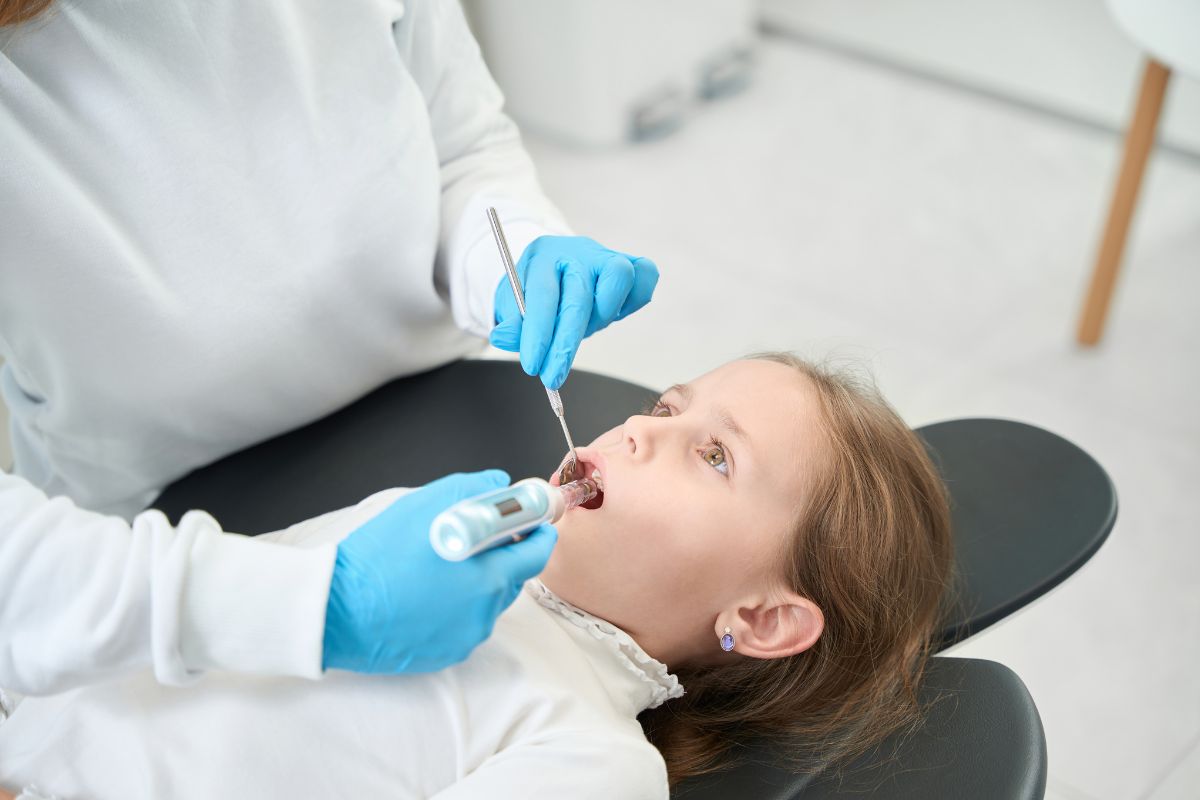
Imagine a sunny afternoon at the park. Your little one tumbles off the swing, clutching their mouth in surprise. Heart racing, you wonder: Is this serious? Moments like these test every parent’s instincts. But knowing the right moves can turn panic into poise. This guide equips you with clear, step-by-step actions to safeguard your child’s smile during unexpected oral mishaps. Let’s dive in and build your confidence for whatever comes next.
Spotting the Signs of a Dental Crisis in Kids
Kids explore the world with boundless energy, but that curiosity often leads to tumbles, slips, or sports mishaps. Dental emergencies strike fast—think a bike crash or a rogue elbow during playtime. Watch for red flags like intense pain that won’t quit, visible swelling around the jaw or gums, or blood pooling from the mouth. Loose teeth wobbling more than usual? Or a sudden gap where a tooth once sat? These signals are trouble brewing.
Not every owie needs a rush to the dentist. Minor bumps might just need ice and observation. But if your child avoids eating, drools excessively, or seems feverish, don’t delay. Early spotting prevents bigger issues, like infections that spread or permanent damage to emerging adult teeth. Stay vigilant during high-risk times: recess, family hikes, or even bedtime roughhousing.
Quick First-Aid for Top Pediatric Tooth Troubles
When disaster hits, your calm voice is the first medicine. Guide your child to a safe spot. Rinse their mouth gently with lukewarm water to clear debris. Never force anything—kids sense stress like sharks smell blood. Now, tackle the specifics.
Handling a Knocked-Out Baby Tooth
Baby teeth falling early from a fall? It’s common and often nature’s plan. But check for head injuries first—dizziness or confusion means head to the ER stat. For the tooth, skip replanting; it’s meant to go. Offer a soft snack and a cuddle. Schedule a checkup soon to ensure no hidden cracks in nearby chompers.
Permanent teeth are different. Time is gold here. Pick up the tooth by the crown—avoid roots. Rinse it softly in milk or saliva if dirty. Tuck it back in the socket if your child stays cool, or store in milk for transport. Rush to care within 30 minutes. Success rates soar with speed.
Easing a Toothache or Abscess Swelling
Ouch—that throbbing pain from a cavity or trapped food? Start with a cold compress on the cheek to numb it. Offer acetaminophen per age guidelines. Skip aspirin; it’s risky for little ones. If pus or fever joins the party, suspect an abscess. This bacterial buildup demands proper drainage to halt the spread.
Rinse with warm salt water hourly. But don’t wait—call for an eval. Untreated, it can weaken jawbone or spark systemic woes. Your quick rinse buys time, but expert tools seal the deal.
Mending Chipped or Fractured Teeth
A playground slip chips the edge? Rinse and inspect for loose bits. Save fragments in milk—they might glue back. Apply wax from a kit or softened paraffin if sharp edges poke. Pain meds help, but book a visit to smooth and strengthen.
Deeper fractures hitting the nerve? Swelling follows. Immobilize the jaw lightly with a scarf if needed. Pros use bonding or crowns to restore function and looks. Act fast; delays invite sensitivity or decay.
Clearing Stuck Objects and Soft Tissue Cuts
Popcorn hull wedged deep? Floss gently—never poke with picks. Warm rinses loosen it. If it resists, pros wield safe tools.
Cuts on lips or tongue from bites? Apply pressure with gauze for 10 minutes. Cold packs reduce bruising. Most heal solo, but stitches are required for gashes over half an inch. Watch for infection signs like red streaks.
Key Stats on Kids’ Dental Injuries
Understanding the scope motivates prevention. Here’s a snapshot of common risks:
| Age Group | Prevalence of Dental Trauma | Common Causes | Source Insight |
|---|---|---|---|
| 0-6 years | 20% of all bodily injuries | Falls, household accidents | AAP Pediatrics Report |
| Preschool (3-5) | 15% experience trauma | Playtime tumbles | European Study |
| School-age (6-12) | 20-25% affected | Sports, bike crashes | Global Epidemiology |
| Sports participants | 15.5% injury rate | Contact activities | Journal of Pediatric Research |
These numbers highlight why mouthguards and supervision matter. Boys edge out girls in sports hits, per studies.
Trending FAQs on Pediatric Dental Crises
Parents everywhere turn to search engines in panic mode. Based on top Google queries, here’s what folks ask most—answered simply.
- What if my child’s toothache stops suddenly? It might signal nerve death. Still see a dentist; hidden damage lurks.
- When should I take my kid to the ER for a mouth injury? For uncontrolled bleeding, jaw fractures, or concussion symptoms alongside dental woes.
- How do I store a knocked-out tooth? In milk or the child’s saliva—never water. Aim for pro help in under an hour.
- Can baby tooth injuries affect adult teeth? Yes—misalignment or early loss shifts growth. Prompt care guides proper eruption.
- Is swelling after a hit normal? Mild, yes, but persistent or hot means infection. Ice first, then evaluate.
These insights echo real parent worries, drawn from nationwide trends.
In Northwest Arkansas, families face unique twists—like trail runs in the Ozarks sparking root avulsions. A pediatric dentistry approach shines here, blending kid-friendly vibes with swift protocols. For instance, during a local soccer league surge, clinics note more lip lacerations from headers. Tailored tips? Helmets for biking and mouthguards for team sports cut risks by half.
Prevention packs punch. Stock a dental kit: saline rinses, gauze, and kid-safe pain relief. Teach gentle brushing to dodge cavities fueling aches. Annual checkups spot vulnerabilities early. And chat safety— no hard candies or unsupervised swings.
If you’re ever in a bind, remember: most fixes thrive on your fast thinking. Building habits now fosters lifelong grins.
If you are searching for “pediatric dentist near me,” look for spots with emergency slots and gentle pros who explain every step. They turn scary into storytime.
One overlooked gem? Post-crisis follow-ups. They track healing and tweak habits, ensuring no sequel scares.
Wrapping up, you’ve got the toolkit to navigate these bumps with grace. Kids bounce back amazingly when guided right. Questions linger? Dial (479) 271-9900 to schedule an appointment and chat specifics. Your proactive step today secures tomorrow’s toothy laughs. Here’s to healthier adventures ahead.