
January 23, 2026
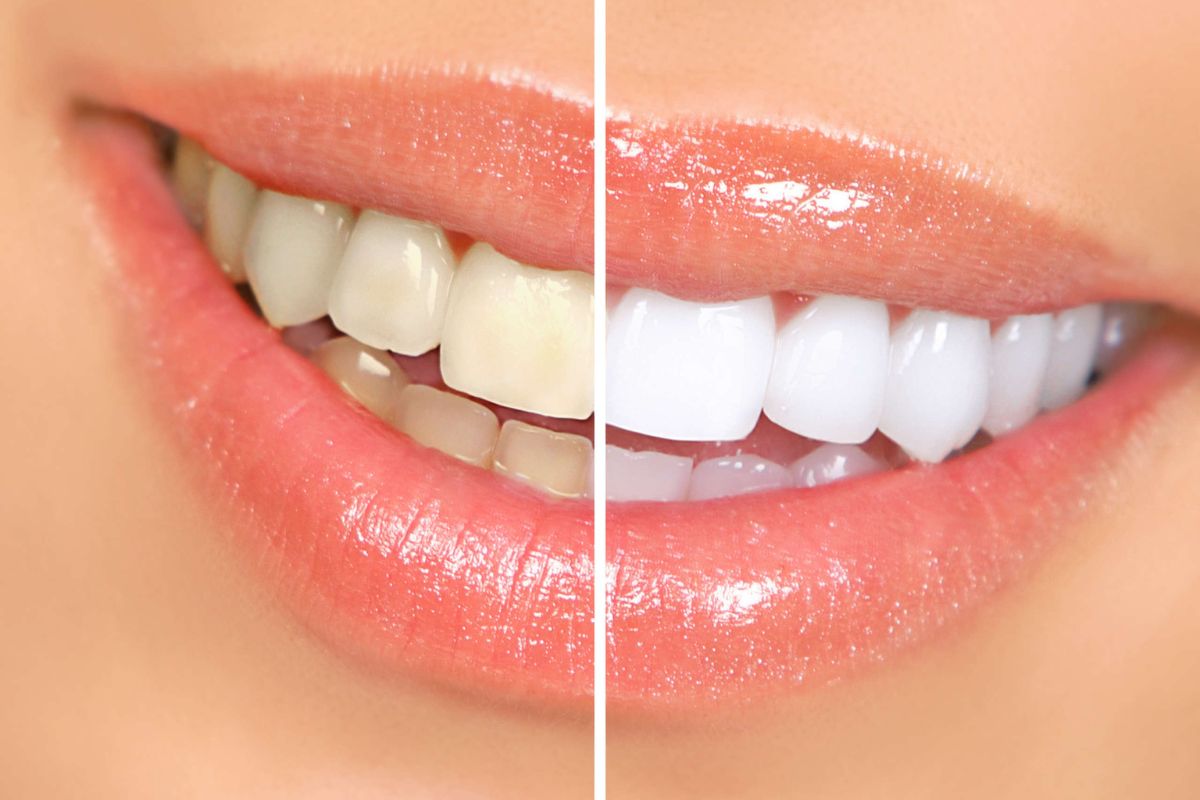
A bright, confident smile can transform how you feel every day. Many people deal with deep tooth discoloration that makes them self-conscious about laughing or speaking freely. This issue goes beyond surface stains from coffee or wine—it’s often more stubborn and rooted in the tooth’s structure. Understanding the causes and effective solutions helps you take the right steps toward a radiant smile.
Understanding Deep Tooth Discoloration
Tooth discoloration falls into two main categories: extrinsic and intrinsic. Extrinsic stains sit on the enamel’s surface. They come from everyday habits like drinking dark beverages, smoking, or eating pigmented foods. These respond well to basic cleaning or over-the-counter options.
Intrinsic stains, however, form deeper inside the tooth—within the dentin layer. They result from factors such as aging, which thins enamel and reveals yellower dentin; trauma that damages the pulp; certain medications like tetracycline taken during childhood; or excessive fluoride exposure in early years. Genetics and health conditions can play a role too. These deep stains prove tougher because they aren’t just on the surface.
In areas like Bentonville, AR, locals often face similar concerns due to lifestyle factors—think frequent coffee runs or natural aging in a busy community. Professional evaluation identifies the type and severity, guiding the best path forward.
Common Causes of Stubborn Tooth Stains
Several triggers lead to persistent discoloration:
- Aging: Natural wear exposes dentin over time.
- Medications and antibiotics: Especially if used young.
- Dental trauma or root canals: Can darken a tooth internally.
- Fluorosis: From high fluoride in developmental years, causing white or brown spots.
- Lifestyle habits: Though more extrinsic, heavy staining compounds intrinsic issues.
Recognizing the cause matters. Surface fixes won’t touch deep problems.
Why Over-the-Counter Options Often Fall Short
Drugstore strips, gels, or whitening toothpastes target extrinsic stains effectively. They use mild abrasives or low-concentration peroxides. For deep discoloration, results stay minimal or uneven. These products can’t penetrate far enough into dentin. Sensitivity or gum irritation sometimes occurs without supervision. Professional approaches deliver stronger, safer, and more consistent outcomes.
Professional Solutions for Deep Discoloration
The most effective path often involves customized professional care. In-office treatments use high-strength bleaching agents, sometimes activated by light or laser, to break down stains quickly. These sessions last about an hour and yield noticeable brightening—often several shades lighter.
Take-home kits from a dentist offer convenience. Custom trays fit perfectly, and gels provide controlled application over days or weeks. This method suits gradual improvement or maintenance.
Advanced systems target resistant or intrinsic stains better than standard options. For severe cases—like post-root canal darkening—internal bleaching places agents inside the tooth.
When bleaching alone doesn’t suffice, cosmetic restorations step in. Bonding applies tooth-colored resin to mask stains. Veneers cover the front surface for dramatic, lasting change. These options restore natural appearance without relying solely on bleaching.
Our teeth whitening in Bentonville, AR stands out for its tailored approach, addressing both extrinsic and deeper concerns with precision and comfort.
Maintenance Tips After Treatment
Results last longer with good habits. Brush twice daily with a soft toothbrush. Floss regularly. Limit staining foods and drinks—use a straw for dark beverages. Rinse after consuming them. Schedule professional cleanings to remove buildup. Avoid tobacco. These steps preserve your brighter smile.
Trending FAQs on Deep Tooth Discoloration and Whitening
Here are answers to questions people frequently search for:
- What causes deep tooth discoloration? Deep stains often stem from aging, medications (like tetracycline), trauma, root canals, or excess fluoride during tooth development. These affect the inner dentin layer.
- Can teeth whitening remove intrinsic stains? Professional whitening lightens many intrinsic stains, especially from aging or mild causes. Severe cases (gray or dark from meds/trauma) may need advanced methods or alternatives like veneers.
- Is professional whitening better than at-home kits? Yes—professional options use stronger, safer agents for faster, even results. Dentist supervision minimizes sensitivity and ensures customization.
- How long do whitening results last? Results vary by habits. With good care, they last months to years. Touch-ups help maintain brightness.
- Does whitening work on crowns or fillings? No—restorations don’t bleach. Whitening affects only natural teeth, so match shades carefully.
Ready to Explore Your Options?
Deep tooth discoloration doesn’t have to hold you back. Modern solutions offer real improvement, restoring confidence in your smile. If you are searching for a reliable cosmetic dentist near you, a consultation provides personalized insights and helps choose the right treatment.
Take the first step toward a brighter, more vibrant smile today. Your best version awaits.