
October 7, 2025
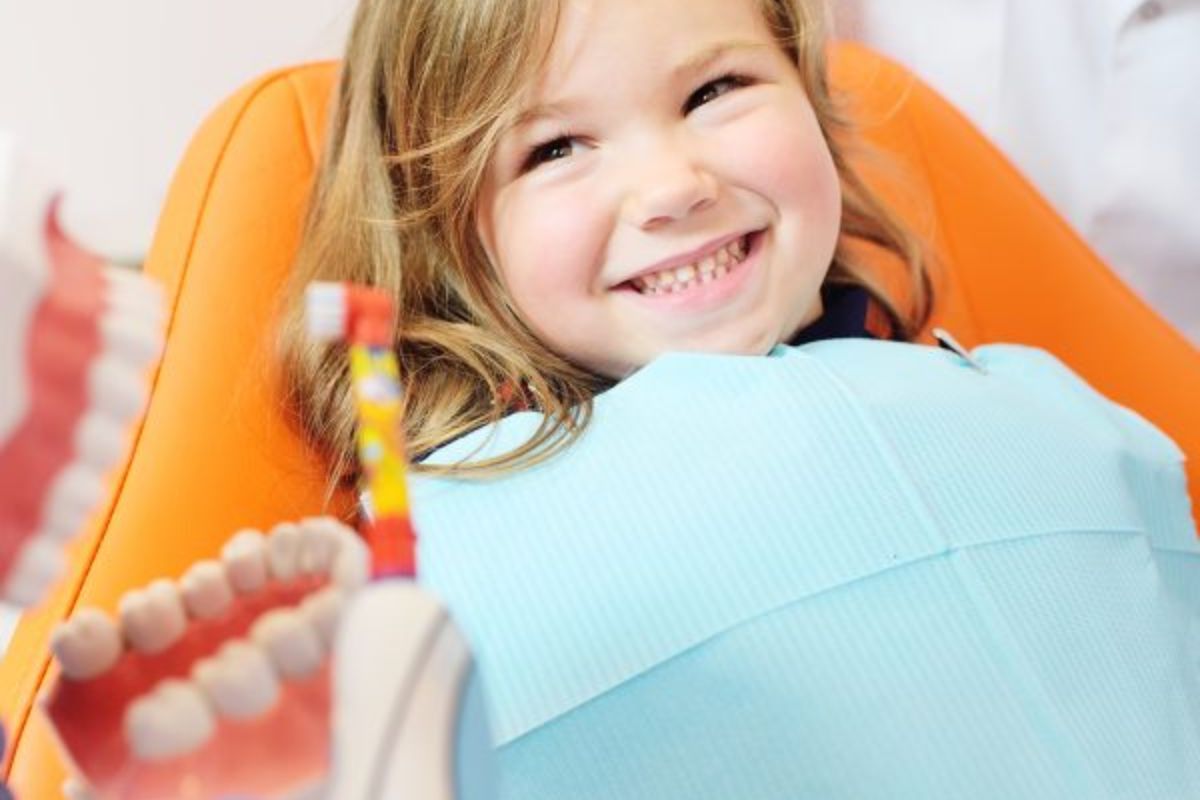
As a parent, you want the best for your little one’s smile. Healthy teeth set the stage for confidence and well-being. Yet many wonder about the right time to introduce certain habits. This post dives into one key practice that can make a big difference. We’ll explore timing, tips, and common questions to help you guide your child toward a bright future.
Why Flossing Matters for Kids
Flossing removes food particles and plaque from between teeth. Brushing alone misses these spots. For children, this prevents early decay. Baby teeth guide permanent ones into place. Poor care can lead to misalignment or infections. It also builds lifelong routines. Kids who floss early often keep up the habit as adults. Plus, it reduces risks like gum issues. Start young to avoid bigger problems later.
Think about daily meals. Snacks stick in tight spaces. Without flossing, bacteria thrive. This leads to cavities. Studies show regular flossing cuts decay by up to 40%. It’s a simple step with big rewards. Parents play a key role here. Model the behavior. Make it part of bedtime fun.
The Ideal Age to Begin Flossing
Most experts agree: start when two teeth touch. This often happens around age 2 or 3. At this stage, gaps close up. Food gets trapped easily. Parents should handle flossing then. Use gentle motions. Wrap floss around fingers. Slide it between teeth. Curve into a C-shape. Rub up and down.
By age 6, many kids have more teeth together. Keep supervising. They might try alone but need help. Full independence comes around 8 to 10. Fine motor skills improve by then. Until that point, assist to ensure thoroughness. Choose child-friendly tools. Floss picks work well for small hands.
Local families in Northwest Arkansas benefit from tailored advice. Consulting a pediatric dentist in Bentonville, AR, can provide personalized guidance based on your child’s development.
Tips for Teaching Your Child to Floss
Make it enjoyable. Turn flossing into a game. Use flavored floss. Sing a song while doing it. Praise efforts. Consistency counts. Do it nightly after brushing. Show them how. Let them mirror you. Start with back teeth. Move forward. Avoid forcing it. If they resist, try again later.
For toddlers, sit them on your lap. Face a mirror. Guide their hands. As they grow, encourage independence. Check their work. Correct gently. Tools like water flossers help too. They spray away debris. Ideal for kids with braces later on.
Address concerns early. Some kids fear hurting gums. Explain it’s normal at first. Bleeding might occur if neglected. It stops with regular care. Build trust through patience.
Key Statistics on Children’s Oral Health
Dental issues affect many kids. Here’s a look at some key stats:
| Age Group | Percentage with Cavities | Additional Insights | Source |
|---|---|---|---|
| 2-5 years | 23% | Untreated decay is rising among young children. | CDC (2011-2016) |
| General kids | Over 33% | Parents report their child has had dental problems. | University of Michigan Poll (2025) |
| All children | Less than 25% | Regularly floss, contributing to better oral health. | University of Michigan Poll (2025) |
These numbers highlight the need for early habits. Flossing plays a vital role in reducing these risks.
Overcoming Common Challenges
Kids might fuss about flossing. It’s new and unfamiliar. Stay calm. Offer choices. Let them pick floss colors. Use apps or videos for demos. Reward charts motivate. Track days flossed. Small prizes encourage.
If teeth are sensitive, check for issues. Gums might inflame from plaque. Gentle care helps. Avoid hard pressure. If pain persists, seek professional input. Early intervention prevents escalation.
Incorporate it into routines. Pair with storytime. Make it non-negotiable yet fun. Over time, it becomes second nature. Parents who persist see results. Healthier smiles follow.
Trending FAQs on Children’s Flossing
Here are some frequently asked questions based on what people often search for online:
- At what age should a child start flossing?
Begin as soon as two teeth touch, typically around 2 to 3 years old. Parents should do it until the child can manage alone, around 8 to 10. - How do I teach my child to floss properly?
Demonstrate first. Use about 18 inches of floss. Wrap around fingers. Guide between teeth. Curve and slide gently. Make it fun with songs or mirrors. - Why is flossing important for children?
It removes plaque and food from spots brushes miss. This prevents cavities, gum disease, and supports healthy permanent teeth development. - What if my child resists flossing?
Be patient. Try flavored floss or picks. Turn it into a game. If resistance continues, consult a dentist for tips tailored to your child. - How often should children floss?
Once a day, ideally at night. Combine with brushing for best results. Consistency beats perfection in building habits.
These answers address top concerns. They draw from reliable sources like the American Dental Association.
If you are searching for a childrens’ dentist near you, consider one who specializes in kids’ needs. They offer hands-on demos. This eases worries.
Regular checkups reinforce lessons. Dentists spot issues early. They guide on tools and techniques.
In conclusion, starting flossing at the right time sets your child up for success. It fosters healthy habits that last. Call (479) 271-9900 today to schedule an appointment. Your child’s smile deserves the best care.