
January 21, 2025
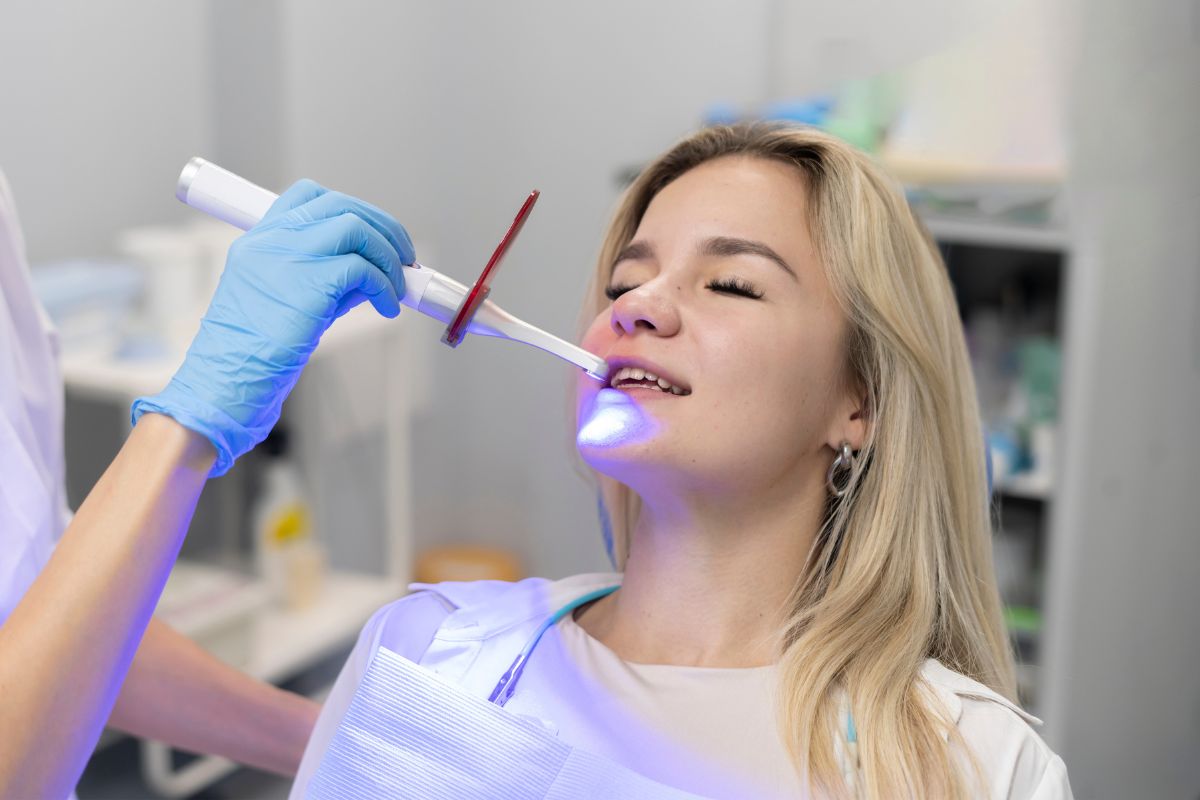
A bright smile can boost your confidence and leave a lasting impression. But with so many options for teeth whitening available, it’s easy to feel overwhelmed. If you’re considering Teeth whitening in Bentonville, you’re not alone. Many people are exploring this popular cosmetic treatment to achieve a dazzling smile. Let’s dive into everything you need to know about teeth whitening, its safety, and whether it’s right for you or your family.
What Are the Different Types of Teeth Whitening?
Teeth whitening methods fall into three main categories:
- In-Office Professional Whitening: Done at a dental clinic, this is the fastest way to achieve noticeable results. Dentists use high-concentration bleaching agents for a dramatic transformation, often within an hour.
- At-Home Whitening Kits: Provided by your dentist, these include custom trays and professional-grade whitening gel for a convenient but slower process.
- Over-the-Counter Products: Whitening strips, gels, and toothpastes are widely available. While these are budget-friendly, they’re less effective and may take weeks to show results.
If you’re unsure which method is best, consulting a professional for teeth whitening in Bentonville ensures a personalized and effective approach.
Is Teeth Whitening Safe?
Yes, teeth whitening is safe when performed under the guidance of a dentist. Professional treatments are carefully monitored to minimize risks like tooth sensitivity or gum irritation. However, improper use of over-the-counter products can cause enamel damage or uneven whitening. Always follow product instructions or, better yet, seek a dentist’s advice.
Professional whitening treatments often include desensitizing gels or fluoride applications to protect your teeth and gums, making the process as comfortable as possible.
What Causes Tooth Discoloration?
Tooth discoloration can happen for various reasons:
- Diet: Coffee, tea, red wine, and dark-colored foods can stain your teeth over time.
- Tobacco Use: Smoking or chewing tobacco is a major cause of yellowing teeth.
- Aging: As enamel wears down with age, the yellow dentin beneath becomes more visible.
- Medications: Some antibiotics and antihistamines can lead to discoloration.
- Poor Oral Hygiene: Failing to brush and floss regularly allows stains and plaque to build up.
Understanding these causes can help you take preventive measures to maintain your smile.
Will Teeth Whitening Work on All Types of Stains?
Teeth whitening is highly effective for extrinsic stains caused by foods, drinks, and smoking. However, intrinsic stains—those resulting from trauma, medications, or aging—may not respond well to whitening. In such cases, your dentist may recommend alternative treatments like veneers or bonding for a flawless smile.
Are There Alternatives to Teeth Whitening?
If whitening isn’t suitable for your needs, there are other cosmetic options to enhance your smile:
- Dental Veneers: Thin porcelain shells that cover the front of your teeth for a flawless appearance.
- Bonding: A tooth-colored resin applied to hide discoloration.
- Crowns: Ideal for severely discolored or damaged teeth, crowns restore both appearance and function.
Your dentist can help you explore these options to find the best solution.
Can Teens and Children Whiten Their Teeth?
Teeth whitening isn’t typically recommended for children under 16. Their teeth and enamel are still developing, which makes them more susceptible to sensitivity and other side effects. If your teen is interested in whitening, consult a dentist to discuss safe, age-appropriate options.
Teeth whitening is a safe and effective way to brighten your smile when done correctly. Whether you opt for professional treatments or at-home kits, it’s essential to understand the causes of discoloration and maintain good oral hygiene to prolong your results. If you’re unsure which method is right for you, a dentist near you can provide personalized advice.
A radiant smile is within your reach—with the right approach, you can enjoy the confidence that comes with whiter, healthier teeth.