
August 31, 2026
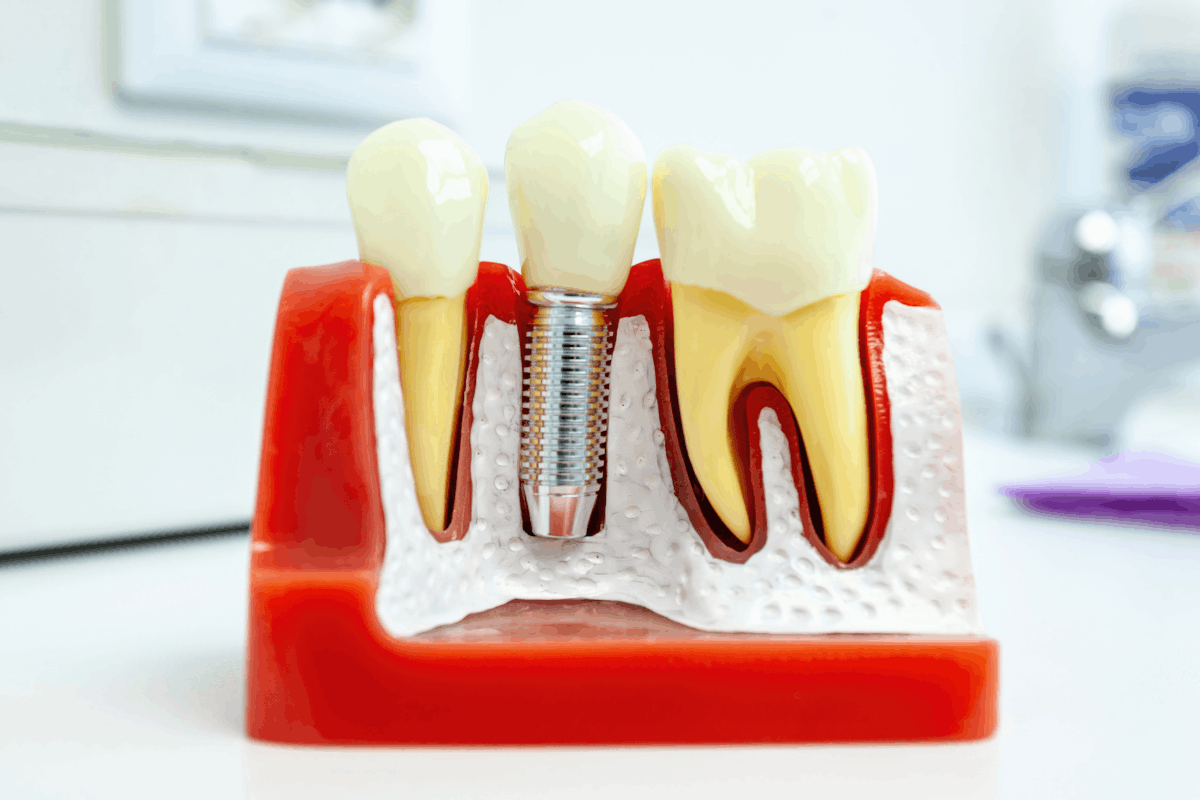
Getting a dental implant is not a single appointment. The process typically involves several stages, and understanding what happens between implant placement and the final restoration can make the experience easier to navigate.
For patients researching dental implants Bentonville AR, one detail is particularly useful to understand: implant placement and implant restoration are not always performed by the same dental professional.
Bryan & Curtis explain that their Bentonville practice provides dental implant restoration, including the crown placed after the implant has integrated with the jawbone, while referring patients to an oral surgeon for implant placement.
What Happens After the Implant Is Placed?
A dental implant is designed to function as an artificial tooth root. After an oral surgeon places the implant into the jawbone, the area needs time to heal and integrate.
This biological process is called osseointegration.
During this period, the implant gradually becomes securely connected with the surrounding bone. The timeline varies by patient and depends on factors such as the location of the implant, bone quality, healing, and whether additional procedures were necessary.
The final restoration is generally placed after the implant is ready to support it.
The Healing Stage Requires Patience
One of the most important parts of implant treatment happens when you cannot see it.
The implant needs time to integrate with the jawbone before it can reliably support the final restoration. Your dental team will determine when the implant is ready based on your healing and clinical evaluation.
During this stage, follow the instructions provided by the surgical team carefully.
That may include recommendations about eating, cleaning the area, physical activity, medications, and follow-up appointments.
Do not assume that feeling comfortable means the implant is fully integrated. Healing beneath the gum and bone continues even when the area feels normal.
What Is the Dental Implant Crown?
Once the implant has integrated sufficiently, the restorative phase can begin.
The crown is the visible replacement tooth. It is designed to restore the appearance and function of the missing tooth while connecting to the implant foundation.
Bryan & Curtis specialize in implant restoration in Bentonville and state that they can place the crown after implant integration has been completed.
The restoration process may involve taking impressions or digital records, selecting an appropriate shade, and designing the crown to fit comfortably with your surrounding teeth.
How Is the Final Crown Made to Look Natural?
A successful implant restoration should not look like an isolated artificial tooth.
Your dentist considers factors such as:
- The color of neighboring teeth
- The shape and size of the replacement tooth
- Your natural bite
- The position of the implant
- The appearance of the surrounding gum tissue
- How the crown functions when you chew
The goal is to create a restoration that fits naturally into your existing smile.
Your dentist may also evaluate the way the crown contacts neighboring teeth and the opposing teeth. Proper fit matters for both comfort and long-term function.
What If You Have Been Missing the Tooth for a Long Time?
The treatment plan can be different for someone who lost a tooth recently compared with someone who has lived with tooth loss for years.
After a tooth is lost, the jawbone in that area can gradually change. In some cases, additional treatment may be needed before an implant can be placed.
That is one reason an implant consultation should include a careful evaluation of the teeth, gums, bone, bite, and overall oral health.
The presence of bone loss does not automatically mean implants are impossible. It simply means your dental team needs to determine what approach is appropriate for your specific situation.
What Does the Restorative Appointment Feel Like?
Patients sometimes expect the final crown appointment to be similar to implant surgery. They are different stages of treatment.
By the restorative stage, the implant has already been placed and allowed to heal. Your dentist focuses on creating and fitting the replacement tooth.
Depending on the case, your appointment may involve:
- Evaluating the implant and surrounding tissue.
- Taking impressions or digital scans.
- Selecting the appropriate crown shade and design.
- Checking the restoration’s fit.
- Evaluating your bite.
- Attaching or securing the final restoration.
Your dentist will explain the specific process for your restoration.
How Should You Care for an Implant Crown?
An implant cannot develop a conventional cavity in the same way a natural tooth can, but that does not mean it is maintenance-free.
The gum tissue and bone surrounding the implant still need proper care.
Daily oral hygiene remains important. Your dental team may recommend brushing, cleaning between teeth, and using additional tools depending on the location and design of the restoration.
Regular dental appointments also allow the dentist to evaluate the implant, crown, gums, and surrounding teeth.
Watch for Changes After Restoration
A restored implant should feel stable and comfortable. Contact your dental office if you notice a persistent change such as:
- Pain around the implant
- Swelling or bleeding that does not improve
- A loose crown
- A change in your bite
- Difficulty chewing
- Persistent discomfort when biting
- A feeling that the restoration has shifted
A loose or damaged crown does not necessarily mean the implant itself has failed. The only way to determine what is happening is through a professional examination.
Implant Care Is a Long-Term Commitment
Dental implants are designed to be durable, but longevity depends on more than the implant material itself.
Your oral hygiene, gum health, bite forces, general health, smoking status, and regular professional care can all influence the long-term outlook.
Think of the implant as part of your overall dental system rather than a replacement that can simply be forgotten after treatment.
Routine maintenance protects not only the implant restoration but also the natural teeth around it.
Why the Restorative Phase Matters
The implant post provides the foundation, but the final crown is what restores the visible tooth.
That restorative step affects how the replacement tooth looks, feels, and functions. Careful planning helps your dentist create a crown that works with the rest of your bite and complements your smile.
For patients considering dental implants Bentonville AR, understanding this distinction can make it easier to ask the right questions before treatment begins.
Bryan & Curtis offer implant restoration in Bentonville and can coordinate with an oral surgeon for implant placement when appropriate.
If you are missing a tooth or already have an integrated dental implant that needs its final restoration, schedule a consultation to discuss your options and determine the next appropriate step for your smile.
FAQs
What happens after a dental implant is placed?
The implant enters a healing period during which it integrates with the jawbone. Once the implant is ready, the restorative dentist can begin the process of fitting the final replacement tooth.
How long does a dental implant take to heal?
Healing time varies considerably from patient to patient. Your surgical and restorative dental teams will determine when the implant has integrated sufficiently for restoration.
Does Bryan & Curtis place dental implants?
According to the practice’s implant service page, Bryan & Curtis provide implant restoration but currently refer patients to an oral surgeon for implant placement.
What is an implant crown?
An implant crown is the visible replacement tooth attached to the dental implant foundation. It is designed to restore the appearance and function of the missing tooth.
How do I care for a dental implant after the crown is placed?
Continue good daily oral hygiene and attend recommended dental visits. Your dentist can show you how to clean around your specific implant restoration and monitor the surrounding gums and bone.