
October 26, 2026
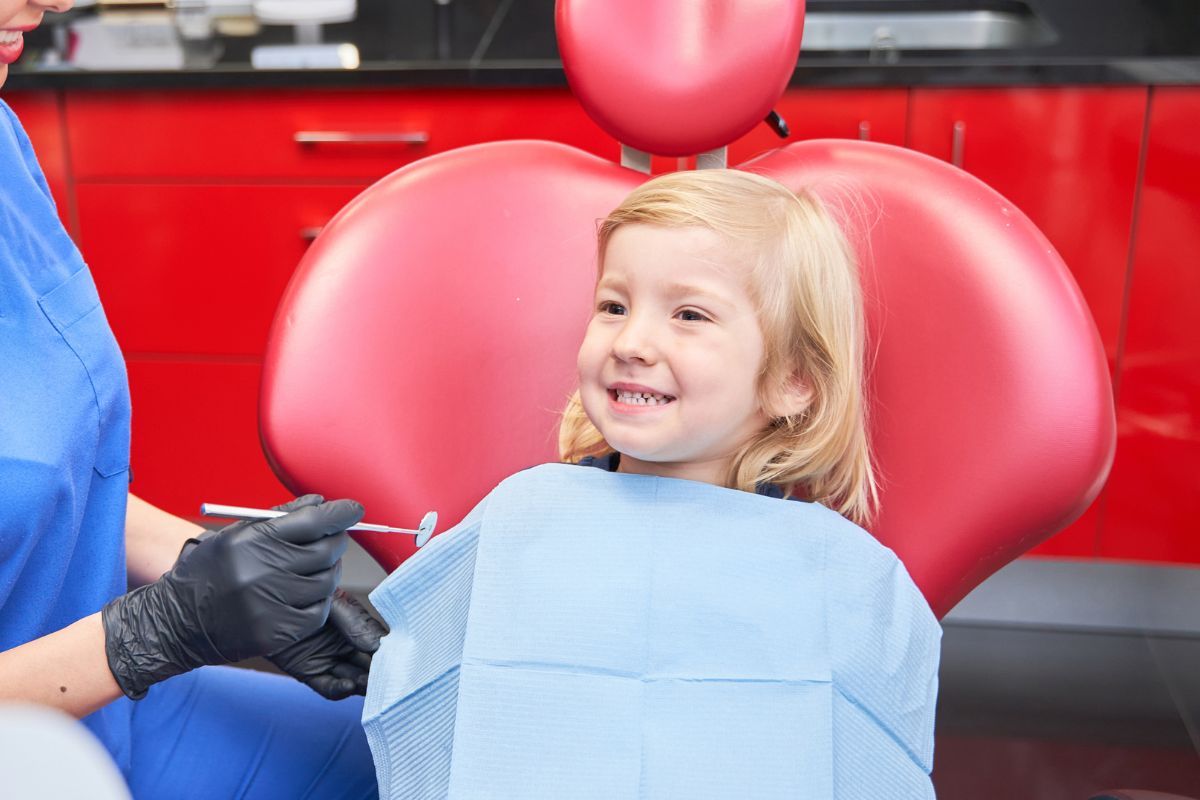
Between school schedules, homework, extracurricular activities, and family commitments, it can be easy for routine dental appointments to slip down the priority list. A child may start the school year with a full calendar, and before parents realize it, months have passed since the last dental checkup.
Planning ahead can make preventive dental care easier to manage. Instead of waiting for a toothache or trying to find an appointment during a busy week, families can build dental visits into their regular schedule.
For parents searching for a pediatric dentist in Bentonville, AR, the goal is not simply to find an available appointment. It is to establish a practical routine that supports a child’s changing dental needs throughout the year.
Why Routine Dental Care Belongs on the Family Calendar
Children’s teeth and mouths change as they grow. Baby teeth gradually give way to permanent teeth, brushing habits develop, and the risk of certain dental problems can change with age, diet, and oral hygiene.
Routine dental visits give the dental team an opportunity to assess these changes, check for signs of decay, evaluate gum health, and discuss preventive care based on the child’s needs.
The recommended frequency varies by patient. Some children may need visits about every six months, while others may benefit from a different schedule based on their oral health and risk factors.
Rather than assuming every child needs the same appointment interval, ask your dentist how often your child should return.
Choose Appointment Times That Work for Your Family
The best dental appointment is one your family can realistically keep. A little planning can reduce scheduling conflicts and help children arrive without feeling rushed.
Review the school and activity calendar
At the beginning of a school term, look at upcoming breaks, sports seasons, performances, and family travel. You may find a convenient time during a school holiday or a quieter week.
If your child needs to miss school for an appointment, ask the dental office about available times and allow enough time for travel and check-in.
Consider your child’s daily routine
Some children handle appointments better earlier in the day, while others do well later. Think about your child’s energy level, meal times, and usual schedule when choosing an appointment.
Avoid creating unnecessary pressure by booking a visit immediately before an important event or an activity your child is excited about.
Schedule the next visit before leaving
If the dentist recommends another preventive visit, ask whether you can schedule it before you leave the office. A reminder on the family calendar can reduce the chance of forgetting.
You can also set a reminder on your phone a few weeks before the appointment to check whether the date still works.
Prepare for the Appointment Before You Arrive
A dental visit tends to go more smoothly when parents have the necessary information ready.
Before the appointment, consider gathering:
- Your child’s current medications and relevant medical history.
- Information about allergies or changes in health.
- Questions about tooth sensitivity, bleeding gums, or chewing discomfort.
- Details about recent dental injuries or changes you have noticed.
- Any dental records or relevant information from another provider, if applicable.
Tell the dental team about concerns even if they seem minor. For example, a child who consistently avoids chewing on one side or complains of discomfort with cold foods may need an evaluation.
If your child has had a change in health or started a new medication, mention it during the visit. The dentist can determine whether it affects the child’s dental care.
What Should Parents Discuss During a Pediatric Dental Visit?
A routine appointment is an opportunity to ask questions, not just have your child’s teeth examined.
Depending on your child’s age and dental history, you may want to discuss the following areas.
Changes in permanent teeth
As permanent teeth emerge, their position and condition can affect the child’s developing bite. Tell the dentist if a tooth seems unusually positioned, if a permanent tooth has not emerged as expected, or if you have questions about changes you notice.
The dentist can determine whether monitoring or further evaluation is appropriate.
Sports and physical activities
If your child plays contact sports or participates in activities with a risk of falls, ask whether a mouthguard is recommended. Bring the existing mouthguard if you would like advice about its fit or condition.
Diet and daily routines
Frequent sugary snacks and drinks can contribute to tooth decay. Share your child’s typical snack and beverage habits if you want practical suggestions for protecting their teeth.
The aim is to find realistic improvements that fit your family’s routine rather than make unnecessary changes that are difficult to maintain.
Changes in brushing or flossing
As children become more independent, parents may need to adjust how they supervise brushing and flossing. Ask when your child may be ready to manage more of the routine independently and how you can check whether their technique is effective.
When You Shouldn’t Wait for the Next Checkup
Preventive scheduling is useful, but it should not delay care when a child develops symptoms.
Contact a dentist promptly if your child experiences persistent tooth pain, swelling, a damaged tooth, or discomfort that interferes with eating or sleeping. Dental injuries may need urgent assessment even if the child says the tooth feels fine afterward.
Facial swelling that affects breathing or swallowing, severe trauma, or uncontrolled bleeding requires emergency medical attention.
When you call the dental office, explain what happened, when symptoms began, and whether there is swelling, bleeding, or a visible injury. This information can help the dental team advise you about the urgency of the situation.
How to Build a Dental Routine That Lasts
A manageable routine is more useful than a complicated plan that is difficult to maintain.
Try these steps:
- Keep your child’s next dental appointment on the family calendar.
- Use reminders before the appointment date.
- Maintain daily brushing with fluoride toothpaste and flossing when appropriate.
- Encourage water between meals and limit frequent sugary snacks.
- Review sports mouthguards and other protective equipment when activities change.
- Contact the dental office when symptoms arise instead of waiting for a routine visit.
As your child grows, the details may change. The important part is maintaining communication with the dental team and adjusting care to the child’s individual needs.
Find Pediatric Dental Care in Bentonville
Parents have plenty to manage throughout the school year. Planning routine dental visits in advance can help make oral health a consistent part of your child’s care instead of a last-minute task.
Bryan & Curtis General Dentistry provides dental care for children and families in Bentonville, Arkansas. If you are looking for a pediatric dentist in Bentonville, AR, contact the practice to ask about your child’s dental needs, recommended visit schedule, and available appointments.
Frequently Asked Questions
1. How often should my child visit a pediatric dentist?
Many children benefit from dental visits about every six months, but the right interval depends on their oral health and risk factors. Your dentist can recommend a schedule tailored to your child.
2. Is it better to schedule children’s dental visits during school breaks?
School breaks may be convenient, but they are not the only option. Choose a time that works for your family and follow the schedule recommended by your dentist.
3. What should I bring to my child’s dental appointment?
Bring relevant medical history, a list of medications and allergies, any dental records you have, and questions about symptoms or oral hygiene.
4. Should I wait for a routine appointment if my child has a toothache?
No. Contact your dental office promptly for guidance. Persistent pain, swelling, or a dental injury may require an earlier evaluation.
5. Does Bryan & Curtis General Dentistry provide dental care for children?
Bryan & Curtis General Dentistry provides dental care for children and families in Bentonville. Contact the practice to discuss your child’s needs and the services available.