
October 5, 2026
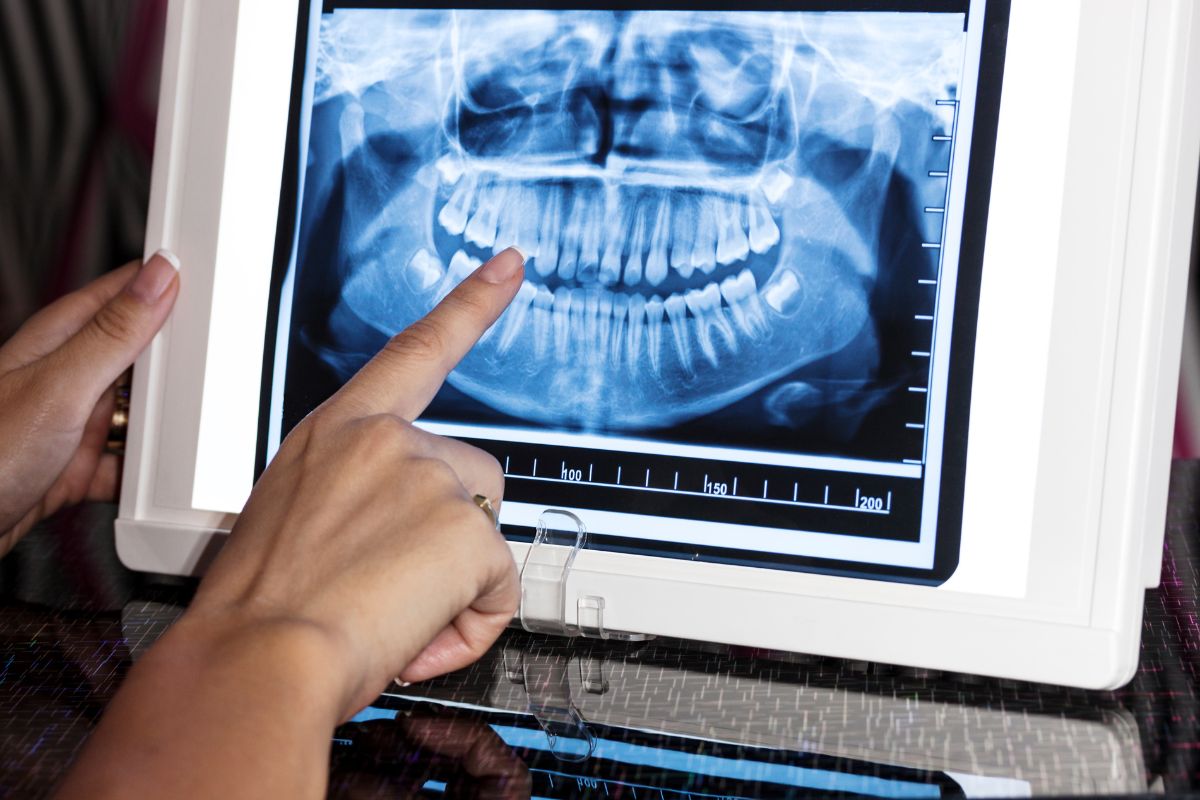
A dental exam can reveal a lot about your oral health, but some problems develop where the eye cannot easily see them. A cavity may form between two teeth, an infection may affect a tooth’s root, or bone changes may occur beneath the gums before you notice any symptoms.
That is one reason a dentist may recommend dental X-rays as part of your care. These images provide information that complements a visual examination and helps your dental team make informed recommendations.
For patients visiting Bryan & Curtis General Dentistry in Bentonville, Arkansas, understanding how dental X-rays work can make routine appointments feel more straightforward. Here is what the images can show, when they may be needed, and how your dentist determines whether they are appropriate for you.
What Can Dental X-Rays Reveal?
Dental X-rays create images of structures inside and around your teeth. Your dentist reviews them alongside your symptoms, dental history, and clinical examination.
Depending on the type of image, X-rays may help identify:
- Cavities between teeth or beneath existing restorations.
- Changes around tooth roots that may suggest infection or other concerns.
- Bone loss associated with gum disease.
- Teeth that have not erupted or are developing in an unusual position.
- Changes beneath crowns, fillings, or other restorations.
- Certain abnormalities that need further examination.
Not every concern appears on an X-ray, and an image alone does not provide a complete diagnosis. However, combining imaging with an examination gives your dentist a more complete picture of your oral health.
Why a Visual Examination May Not Be Enough
Looking at your teeth is an essential part of a dental exam. Your dentist can inspect visible surfaces, check your gums, evaluate existing dental work, and look for signs of wear or damage.
Some areas, however, are difficult to evaluate with sight alone.
Cavities between teeth
Two teeth can touch closely together, leaving a narrow space where plaque can collect. Decay may develop in this area without producing an obvious visible mark. Depending on the situation, dental X-rays can help reveal changes that suggest a cavity is forming.
Problems near the roots
The crown is the visible part of your tooth, but the roots extend beneath the gumline. An X-ray may help your dentist evaluate the surrounding bone and identify changes near a root that require further assessment.
Changes in supporting bone
Your teeth depend on the surrounding bone and gum tissue for support. When gum disease affects deeper structures, imaging may help show bone changes that cannot be judged accurately by looking at the tooth surfaces alone.
These findings can guide your dentist’s next steps, which may range from monitoring an area to recommending treatment.
Does Everyone Need Dental X-Rays at Every Visit?
No. Dental X-rays are not automatically necessary at every appointment.
Your dentist considers your individual circumstances before recommending imaging. Relevant factors may include your age, dental and medical history, current symptoms, risk of tooth decay, gum health, and the findings from your latest examination.
For example, someone with a history of frequent cavities may need imaging more often than a patient with a stable dental history and low risk of decay. A patient experiencing unexplained discomfort may also need a targeted image to help investigate the cause.
Your dentist may recommend new images when there is a clinical reason, or may decide that existing images provide enough information for the current visit.
The goal is to obtain useful diagnostic information—not to take X-rays simply because a certain amount of time has passed.
If you have recently had dental imaging at another office, tell your dental team. They may be able to request those records and determine whether new images are necessary.
Are Dental X-Rays Safe?
Dental X-rays use ionizing radiation, so your dental team should follow appropriate safety practices and avoid unnecessary exposure. Modern dental imaging uses relatively low radiation doses, and the expected diagnostic benefit is considered when deciding whether an image is warranted.
Your dentist should select the type and number of images based on your clinical needs.
If you are pregnant, think you may be pregnant, or have concerns about radiation, tell your dental team before imaging. They can discuss the reason for the recommendation and the precautions appropriate to your situation.
It is also reasonable to ask what a proposed X-ray is intended to show. Understanding the purpose of an image can help you feel more informed about your care.
What Happens During a Dental X-Ray?
For most routine dental X-rays, the process is quick and does not require special preparation.
Your dental team may ask you to sit or stand in a particular position and place a small image receptor inside your mouth. You may need to bite gently on a holder while the image is taken. Other types of imaging use equipment positioned outside the mouth.
The process generally takes only a short time, although the number of images depends on what your dentist needs to evaluate.
After the images are captured, your dentist reviews them with the findings from your examination. If something requires attention, the dentist can explain what appears on the image and discuss appropriate next steps.
How Dental X-Rays Support Preventive Care
Preventive dentistry is not only about cleaning visible tooth surfaces. It also involves identifying potential concerns before they become more complicated.
For example, a small cavity discovered during an examination may be easier to manage than decay that progresses into the inner part of a tooth. Similarly, identifying changes in the supporting bone can help your dentist evaluate gum health and discuss ways to protect your teeth.
X-rays do not prevent disease on their own. Their value comes from helping your dentist assess specific areas and make informed decisions about prevention, monitoring, or treatment.
Keep in mind that not every finding requires immediate treatment. Some areas may be monitored, while others need additional testing or care. Your dentist can explain the reasoning behind each recommendation.
Questions to Ask Your Dentist About Imaging
If you want to understand your dental X-rays better, consider asking:
- What are you looking for with these images?
- Do my dental history or current symptoms make X-rays necessary?
- Can you use images from my previous dental office?
- What did you find, and does it require treatment?
- When might I need dental imaging again?
These questions help you take an active role in your oral health decisions.
Schedule a Dental Exam in Bentonville
Regular dental examinations help your dental team evaluate your teeth, gums, existing restorations, and overall oral health. When imaging is appropriate, it can provide additional information that a visual examination alone may not reveal.
Bryan & Curtis General Dentistry provides general dental care in Bentonville, Arkansas, including dental examinations and cleanings. If you have questions about dental X-rays or are due for an examination, contact the practice to discuss your needs.
Frequently Asked Questions
1. Can dental X-rays detect cavities before I feel pain?
Yes. Dental X-rays may reveal certain cavities, including decay between teeth, before symptoms develop. However, not every cavity is visible on an X-ray, so your dentist also examines your teeth directly.
2. How often should I get dental X-rays?
There is no single schedule that applies to every patient. Your dentist determines the appropriate timing based on your oral health, decay risk, symptoms, history, and previous images.
3. Do dental X-rays show gum disease?
X-rays can help reveal changes in the bone supporting your teeth. Your dentist also checks your gums and evaluates other clinical signs to assess gum health.
4. Should I tell my dentist if I am pregnant?
Yes. Let your dental team know if you are pregnant or may be pregnant. Your dentist can review the clinical need for imaging and discuss appropriate precautions.
5. Can I bring X-rays from my previous dentist?
Yes. You can ask your previous office to transfer your dental records and images. Your new dentist can review them and decide whether additional imaging is needed.